 on Google


Climate and Weather of Kenya
Kenya’s weather is characterised by a tropical climate with two rainy and two dry seasons instead of distinct summer and winter seasons.
The following section will discuss the best times of the year for a safari, beach retreat, and mountain climb in Kenya.
However, it’s important to note that with weather patterns and the climate changing worldwide, the seasons are less defined, making it more difficult to predict the weather.
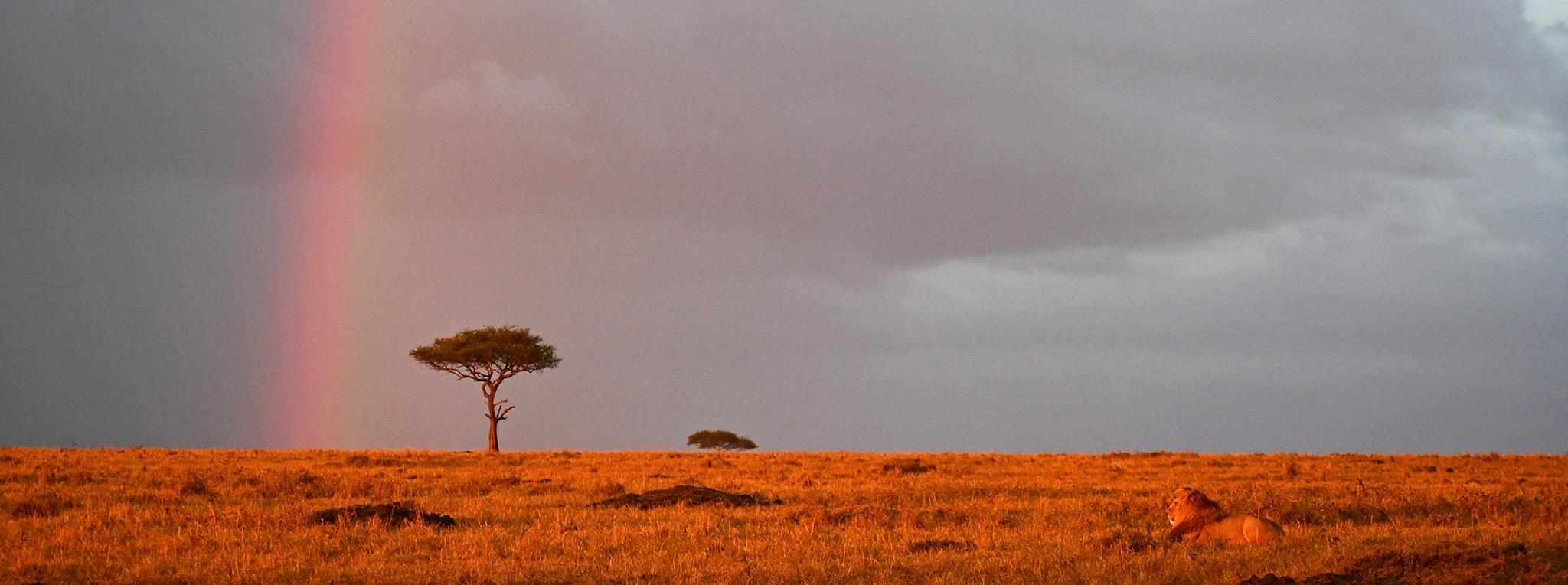
WHAT IS KENYA’S CLIMATE LIKE
Kenya is located on the equator, which gives it a tropical climate. Its vast size leads to regional variations in weather. Moreover, the Rift Valley’s varying altitudes also contribute to differences in weather.
Lower temperatures and higher rainfall are commonplace at high-altitude destinations and vice versa at low altitudes. The northern and eastern regions have a semiarid climate, while central and western Kenya enjoy pleasant temperatures.
At the coast, the weather can be hot and humid.
When is winter, and when is summer?
Kenya’s tropical climate means it does not have distinct winter and summer seasons. Instead, it has two rainy seasons and two dry seasons.
A five-month dry season occurs from June to October and is considered the best time for safaris, beach holidays, and trekking. These exceptional conditions make this period the high season. Another dry period with good weather occurs from January to February.
The short rains occur unpredictably from November to December, but they should not affect your safari. The long rains transpire from mid-March to May, with daily heavy rain, but it is the low season and a chance to find some lower prices for accommodations.
WHAT ARE THE TEMPERATURES IN KENYA LIKE?
Kenya experiences consistent temperatures throughout the year. In most areas, afternoon temperatures typically range from 20°C (68°F) to 30°C (86°F).
During the dry season, temperatures are comfortable, and humidity is low, making it one of the best times for a safari combined with a beach getaway.
However, temperatures begin to increase from January to March. In northern Kenya, temperatures can become very hot and humid from March to May.
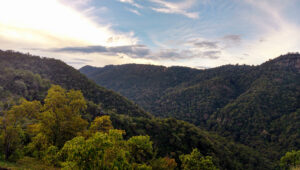
WHEATHER IN KENYA BY MONTH
The weather in Kenya from January to February
A short dry season begins in January and lasts until the second week of March. It is the shoulder season, with marginally lower prices. There is a slight chance of rain, but it will unlikely disrupt your experience.
Thanks to the short rains at the end of the previous year, Kenya’s parks are lush and green in January. Moreover, there are fewer visitors making it an exceptional time for a safari, especially at parks that get busy in the high season, like the Masai Mara.
Temperatures and humidity increase from January through February. If you enjoy hot weather, the north coast or Diani Beach on the south coast are perfect destinations for a beach holiday.
They offer superb scuba diving and snorkelling conditions at this time of the year.
The weather in Kenya from March to May
Dry weather continues until around the second week of March, and it is a great time to enjoy Kenya with fewer other visitors around. The long rains start halfway through March and intensify with increased daily rainfall, temperatures, and humidity.
It is an excellent time to see rhinos at Lewa Wildlife Conservancy.
April experiences the highest rainfall, with heavy thunderstorms that can occur every day. As the month progresses, temperatures fall. Roads in some parks can become inaccessible, and some accommodations can close in April.
Dramatic thunderstorms in vast wildernesses make April a spectacular time for landscape photography at parks like Amboseli National Park and even Nairobi National Park.
May is the second month of the long rains in Kenya. It can be an excellent month to visit semi-arid regions of Kenya, such as Tsavo East and Tsavo West National Parks, and see these arid parks turn green.
Wildlife spotting will be challenging due to dense vegetation, but being in nature at a time of abundance with fewer visitors will be highly memorable.
The weather in Kenya from June to October
The dry season in Kenya begins in June. The first three weeks of June are the shoulder season when you can experience a safari at a slightly lower price. Mild temperatures make for comfortable safaris, beach retreats, trekking in Aberdare National Park and climbing Mount Kenya.
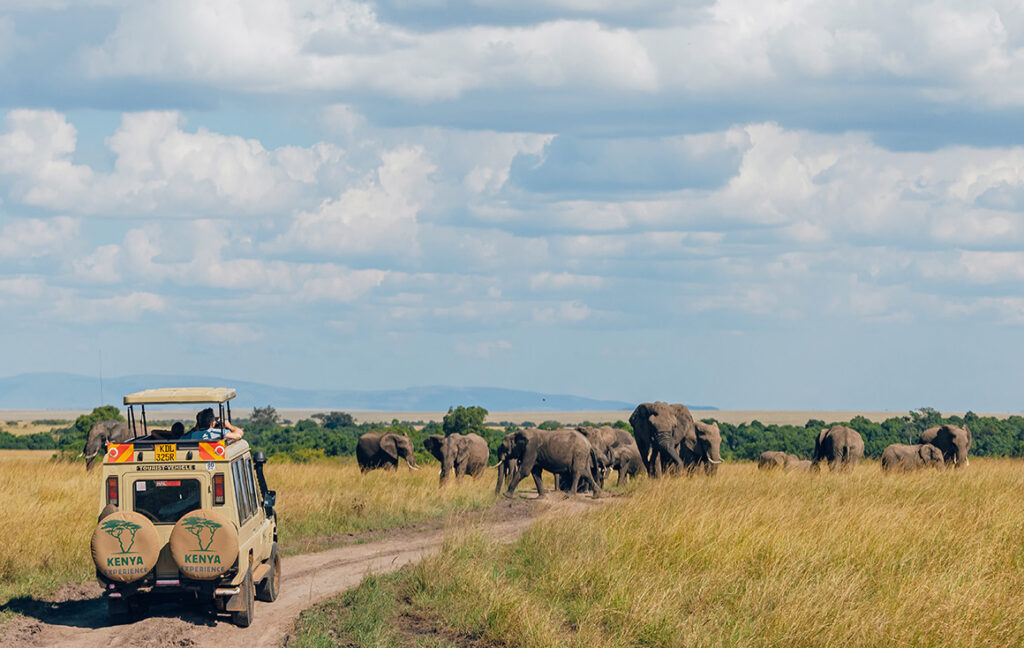
July is the high season with continued mild temperatures. The drying landscapes in Tsavo East National Park allow visitors to see large elephant populations near the Galana, Voi, and Tsavo Rivers.
There is an exciting opportunity to join the lion tracking team at Ol Pejeta Conservancy.
By August, the Great Wildebeest Migration reaches the Mara Triangle in southeast Kenya, allowing visitors to witness this incredible phenomenon. The dry weather also creates ideal mountain biking or rock-climbing conditions in Hell’s Gate National Park.
In September, you can witness the wildebeest undertaking the river crossings at the Mara and Talek Rivers in Kenya’s Masai Mara. The intense evaporation from Kenya’s alkaline lakes, such as Lake Nakuru National Park, creates ideal conditions for algae growth, attracting hundreds of Lesser Flamingos to feed on the algae.
October marks the end of the dry season. It is an excellent time for safaris as wildlife congregates around the few remaining water sources.
In Samburu National Reserve, large herds of elephants, the Northern Five, and numerous big cats can be seen near the Ewaso Nyiro River.
Moreover, adding Meru National Park to your itinerary afterwards will allow you to see more wildlife far from the crowds.
The weather in Kenya from November to December
November is the start of the short rains, which can occur unpredictably. It is also the start of the shoulder season, with fewer visitors in the parks.
Witnessing the end of the dry season and the beginning of a new life cycle is an extraordinary event. Seeing the dusty plains of Ol Pejeta Conservancy turn green is an unforgettable experience.
December is an excellent time to visit popular parks that get busy during the high season, such as the Masai Mara Game Reserve. Seeing thunderstorms pass through the wide-open plains creates dramatic scenery you’ll never forget.
From mid-December, the weather dries, offering excellent conditions to experience Christmas in the heart of nature or on the tropical beaches of Kenya’s coastline.
DISCOVER EXCLUSIVE KENYA SAFARIS




OUR EXPERT ADVICE
TAKE ADVANTAGE OF THE DRY SEASON WEATHER IN REMOTE PARKS
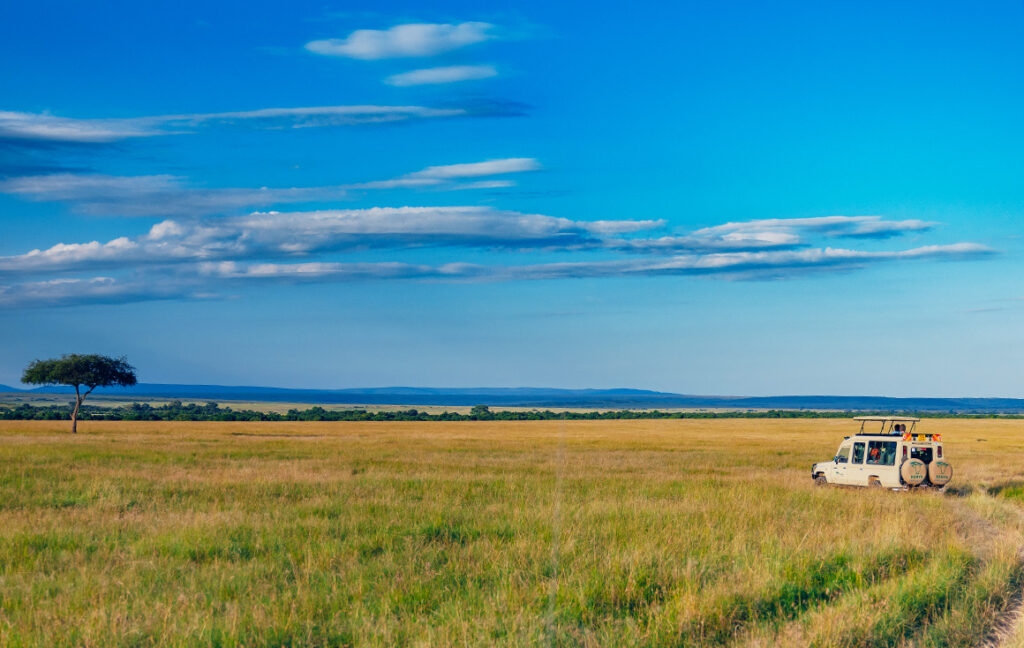
Kenya’s dry season creates ideal conditions to enjoy a safari, trek, or tropical beach getaway. However, popular parks can be busy.
Therefore, we recommend choosing remote parks like Meru National Park or Tsavo East National Park to enjoy these excellent conditions with fewer people.
You can also visit Kenya’s private conservancies, such as Lewa Wildlife Conservancy, which limit the number of visitors, giving you a secluded experience during the high season.


Experience Kenya with us
Speak to one of our local advisors
x
Let's start planning your trip!
We will get back to you within 2 working days.