 on Google


Kenya Packing List – what to pack for a safari in Kenya
You have finally booked your trip. Now, you may be wondering what to pack for a safari in Kenya: which documents to take, which clothes to bring, and if there is anything else you should know when packing for your Kenya trip.
To help you out, we’ve created a Kenya packing list and guide below. For those who have booked with us, we will send you several comprehensive information guides to help you prepare for your safari.
However, our top tip is to keep it light, soft, and simple.

LUGGAGE AND BAGS
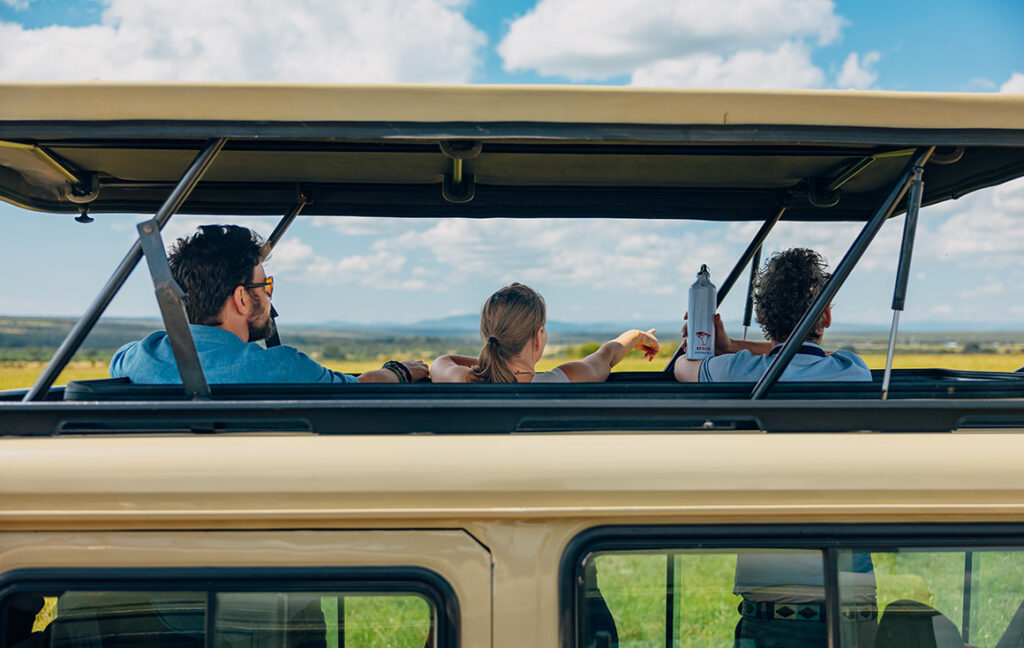
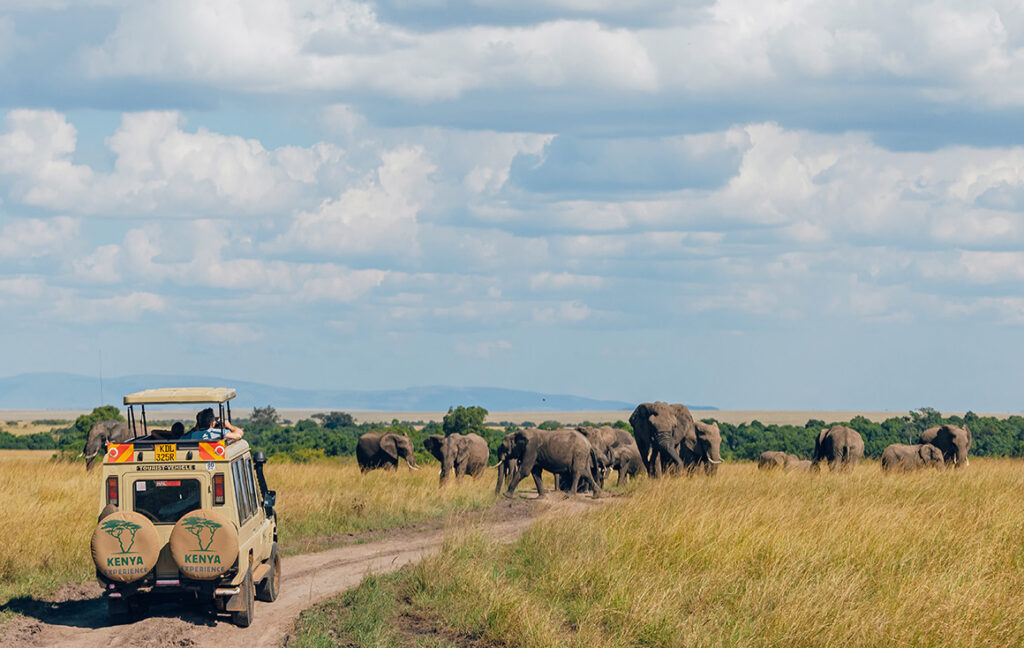
Our custom-made 4×4 vehicles are designed to provide an excellent experience for our guests. They have large windows, roof hatches, and charging points for devices.
However, the vehicle’s boot has limited space, so we recommend keeping your luggage light, soft, and simple.
When preparing for a safari, we kindly request that you limit your luggage to a waterproof softshell bag weighing no more than 15 kg and one piece of soft hand luggage.
We also kindly ask our guests to avoid bringing hardshell bags or trolleys, as softshell bags are easier to pack and take up less space.
As you will be travelling through Kenya’s wildernesses, it’s essential to note that the journey can be dusty. While the boots of our vehicles are well-sealed, your bags will likely get dusty.
If you’re carrying items like camera lenses that shouldn’t come in contact with dust, we recommend placing them in dry bags. You can also line the inside of your luggage with a dry bag to keep your clothes dust-free.
WHICH CLOTHES TO PACK FOR A SAFARI KENYA – OUR PACKING TIPS
Once again, our top tip is to pack light, soft, and simple clothes. Consequently, we recommend packing clothes made from cotton or microfibers as they are light and soft.
Kenya has a tropical climate with warm temperatures year-round. However, as temperatures vary considerably depending on your destination and chosen activities, we suggest packing multiple light layers.
For instance, in high-altitude regions like the Aberdare National Park, over 2000 meters above sea level, temperatures are cooler during the day than in other regions and can drop to freezing at night.
Even in low-lying parks like Tsavo East, early morning game drives can start chilly and warm up quickly, so wearing multiple layers allows you to regulate your temperature easily.
The essential clothing that we recommend to pack for your Kenya safari includes:
- Light-coloured clothing with long sleeves and trousers to protect against the sun and biting insects. Khaki colours are not obligatory, but try to avoid bright colours, as well as dark blue and black, for game drives. Additionally, please do not wear camouflage or other military-style clothes.
- A warm fleece and multiple warm layers for nighttime and early morning game drives. Plus, a scarf or woolly hat to protect your neck and ears from the chilly morning winds.
- Sun protection like hats and shades is recommended even at high altitudes.
- A pair of closed shoes for game drives and sitting around the campfire at night. If you go on a camping safari, bring flipflops to use in shower blocks.
- A swimsuit for a refreshing dip in one of the many lodge pools or for a post-safari beach retreat on Kenya’s beautiful coastline.
- Something smart yet light for a classic safari dinner.
- If you are visiting coastal areas like Mombasa, it is customary to dress modestly by covering your shoulders and knees in public out of respect for the high percentage of Muslims in the population.
- A light raincoat and a small umbrella if travelling during Kenya’s rainy seasons.
MISCELLANEOUS ITEMS – WHAT TO PACK FOR A SAFARI IN KENYA
Plastic bags and single-use plastics, including bottles, are banned in Kenya’s protected areas like national parks.
Hence, we suggest bringing a reusable water bottle, which you can refill from a 20-litre water canister we provide in every vehicle.
Some other miscellaneous suggestions to pack for your Kenya trip include:
- A Kenya guidebook featuring a map, country guide, Swahili phrases and information on East African animals, birds, insects, and reptiles.
- A basic first aid kit in case of unexpected cuts or scrapes.
- Prescription medication that you require on a daily or weekly basis.
- If you wear prescription glasses, bring a spare pair.
- Binoculars will be extremely useful during game drives.
- Caps and wide-brimmed hats will protect you from the sun, even in cooler, high-altitude temperatures where sunburn can occur.
- Type G plug adapters for Kenyan plugs.
- A head torch can be very useful, even if you’re not going camping.
- Consult your doctor about Malaria prophylaxis.
- Pack mosquito repellent and suntan cream.
- Bring a money belt to keep your documents and money safe and secure.
- If you are booked on a mountain trekking or camping safari, you can hire a sleeping bag from us or bring your own.
- If you bring your own equipment, such as diving, climbing, or camping equipment, for one part of the trip, you can store it in our office while you go on safari.

IMPORTANT TRAVEL DOCUMENTS TO PACK FOR A SAFARI IN KENYA
It’s essential to stay up-to-date with the required travel documents for Kenya, as travel advice can change anytime. To ensure you have the most current information, refer to your local Kenya Embassy or Commission before you travel.
The following are some suggested travel documents that you need:
- A passport valid for at least six months after your intended departure date.
- An “Electronic Travel Authorisation” or ETA, which has replaced the tourist visa and needs to be obtained online before travelling to Kenya.
- A yellow fever vaccination certificate is required if you’re entering from a yellow fever-infected country, such as Tanzania or Uganda.
- A return ticket.
- A small amount of the local currency in cash. This can be exchanged at the airport in Nairobi or withdrawn at an ATM in town.
- A debit card that you can use worldwide, and remember to notify your bank that you’re travelling to Kenya.
- A copy of your travel insurance, passport, visa, and other vital documents. Upload these to your email or a cloud account.
- A credit card in case of an emergency.
DISCOVER EXCLUSIVE KENYA SAFARIS



OUR EXPERT ADVICE
PACK SIMPLY FOR COMFORT AND STYLE
Remember, you will be spending quite a lot of time sitting in a vehicle. Many safaris involve little physical activity and lots of yummy food.
When packing for your Kenya safari, prioritise comfort. Don’t bring the tightest jeans or the stiffest jacket.
At the same time, you might feel underdressed if you’re wearing jogging pants to a nice lodge dinner, so bring something light, soft and simple for these occasions too.


Experience Kenya with us
Speak to one of our local advisors
x
Let's start planning your trip!
We will get back to you within 2 working days.