 on Google


“Africa changes you forever, like nowhere on earth. Once you have been there, you will never be the same.” — Brian Jackman
There is something about Kenya that lingers long after the journey ends. It may be the silence of the savannah at sunrise, or the distant call of lions after dusk. It may also be the warmth of people whose stories stay with you, or just the country’s overall beauty.
While a first safari often feels extraordinary, a return often intensifies the feeling of awe and wonder. Travellers return not simply to see wildlife again, but to reconnect with a feeling they cannot quite find anywhere else.
Kenya repeat safaris are not about ticking destinations off a list. They are about returning for a relationship with the land that deepens with each visit.
Why Kenya Is Worth Visiting More Than Once
Kenya is not a destination that can be fully experienced in a single journey. While a first safari introduces the magic of Africa, returning allows you to slow down, and explore beyond the expected.
The First Safari Is Only the Beginning
A first safari in Kenya is often filled with awe, anticipation, and unforgettable first sightings. Yet, many travellers discover that the experience only deepens once they return. Returning visitors begin to notice smaller moments they may have overlooked during their first experience.
Whether it’s the changing skies over the Masai Mara, or a hyena calling out at night: These quieter details become the ones that linger longest, and stay even after the journey has ended. Instead of chasing sightings, Kenya repeat safaris provide a deeper understanding, and appreciation of Kenya’s wildlife, culture, and untamed beauty.
Moving Beyond the Bucket-List Safari
Repeat travellers often return to Kenya with a desire to experience the country more deeply and more slowly. The focus shifts away from rushing between famous sightings and towards an immersion in the wilderness with all its beauty.
Offering far more than the classic safari checklist, Kenya is perfect for returning visitors. Each region reveals its own mood, pace, and character, from the Swahili coast to alternative safari destinations beyond Masai Mara.
With nature constantly changing and seasons shifting, each return to Kenya reveals a different side of Africa’s timeless magic. One journey may centre on dramatic migration crossings, while another unfolds through quiet walking safaris, or cultural encounters.
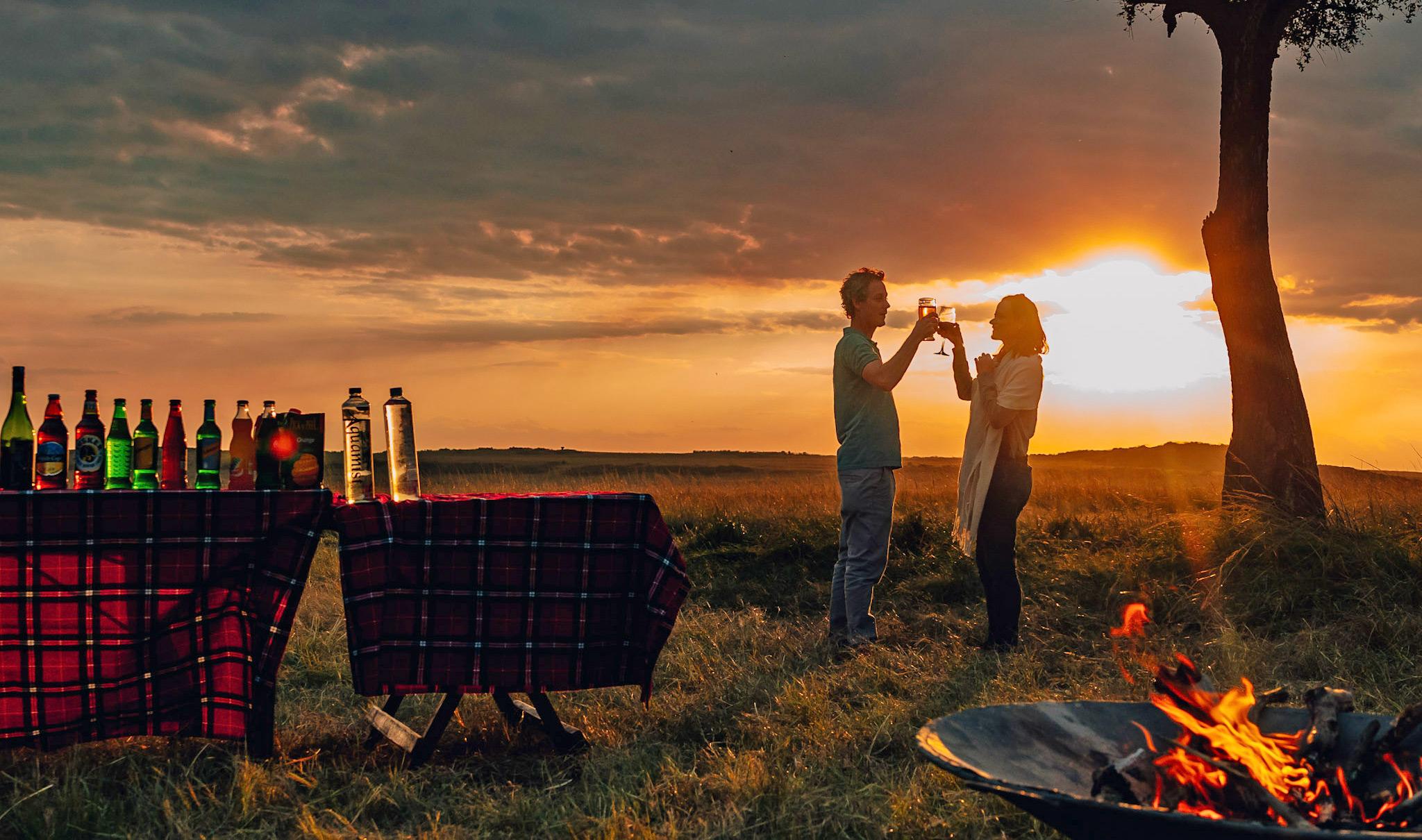
While no two safaris ever feel the same, they have one thing in common: peaceful evenings beneath endless African skies.

How to Experience Kenya Repeat Safari Without the Crowds
A Kenya repeat safari offers the chance to go beyond the classic routes and rediscover nature more intimately. It allows you to slow down, explore lesser-known regions, and experience the country’s wildlife, landscapes, and conservation stories.
Looking Beyond the Classic Safari Circuit
While the Masai Mara remains one of Africa’s most iconic safari destinations, Kenya offers so much more. You are spoilt for choice, both in terms of regions and experiences that go beyond the well-known.
From the vast open landscapes of Laikipia to the remote beauty of Samburu and the peaceful plains of Amboseli: Each area offers a completely different atmosphere and experience.
While some regions are known for dramatic scenery, others are renowned for rare wildlife or rich cultural encounters. Exploring beyond the classic safari circuit allows returning travellers to experience a more authentic side of Kenya. Off the beaten track and beyond heavily travelled routes, you’ll discover the country’s heart and soul.
Why More Travellers Are Choosing Conservancy Safaris in Kenya
Conservancy safaris in Kenya are an exclusive and personal way to experience the wilderness. Unlike busier national parks, conservancies limit the number of vehicles allowed within their protected areas. This is just one of the ways to create quieter and more immersive wildlife encounters.
Without the pressure of busy sightings, you are able to spend more time observing animals. The experience not only feels more relaxed, but also more flexible.
Many conservancies offer activities beyond traditional game drives, including guided walks, night safaris, and cultural visits. These options, along with a slower pace, create a deeper connection to the landscape.
In addition, they encourage a more meaningful appreciation of wildlife, people, and conservation efforts – perfect for a Kenya repeat safari.
The Benefits of Conservancy Safaris
One of the greatest advantages of conservancy safaris is the freedom to experience Kenya’s wilderness away from the crowds. Conservancies can offer ways that traditional safari routes often cannot afford.
Slow down on a guided walking safari to notice the smaller details of the bush: Animal tracks, different bird calls, and native plants and other things that are easily missed from a vehicle.
Night drives, meanwhile, reveal a completely different side of Africa. With some luck, you’ll encounter elusive nocturnal animals, while the sounds of the wild become even more powerful.
With fewer guests, quieter sightings, and personalised guiding, conservancies are great places for Kenya repeat safaris. Beyond the experience itself, many conservancies directly support local communities and wildlife conservation initiatives.
When visiting, you’ll not only enjoy a more intimate safari. You’ll also contribute to protecting Kenya’s landscapes, wildlife, and cultural heritage for future generations.

Experience the Masai Mara Differently
The Masai Mara National Reserve is one of the bucket-list destinations for many travellers. It holds its magic, even on a repeat visit.
Why the Masai Mara Remains One of Africa’s Great Safari Destinations
The Masai Mara National Reserve remains one of Africa’s most celebrated safari destinations. This is in equal parts thanks to its iconic landscapes and its exceptional concentration of big cats and abundant wildlife. Lions, leopards, and cheetahs are frequently sighted across its plains, either lazing in the sun hunting for prey. This makes the Masai Mara one of the best places in the world for predator viewing.
In addition, it is also a key stage for the Great Migration with unfathomably vast herds of wildebeest and zebra.
With sweeping savannahs and classic acacia-dotted landscapes as a backdrop, the Mara delivers experiences that are iconic in every sense. The vastness of its plains, and the seasonal rhythm of wildlife movements continue to captivate first-time and returning travellers alike.
Where can I experience the Mara with fewer vehicles?
If you are looking for a quieter experience of the Masai Mara, Naboisho Conservancy is a good bet. As with most private conservancies, visitor numbers are limited, camps are smaller and often low-impact.
This creates a more exclusive safari environment with fewer cars and a more serene atmosphere. Game drives tend to be calmer and more flexible, allowing for longer, uninterrupted wildlife sightings.
With an approach that places emphasis on immersion and conservation-led travel, you can experience the wilderness at a slower pace. Let yourself be drawn in by nature’s rhythms and you’ll find that you will want to keep returning.
Why Repeat Safari Guests Often Prefer Conservancies
Visitors who return to Kenya for a repeat safari often gravitate towards smaller, lesser-known conservancies. Here, they find less people and thus more space and uninterrupted wildlife encounters.
With fewer safari vehicles around, photographers can capture more natural scenes without distraction. In addition, game drives are more flexible, allowing you to linger longer with specific sightings or explore off-the-beaten-track areas.
Most importantly, conservancies offer a deeper, more immersive safari experience, where the focus shifts from ticking off specific sightings. Instead, you’ll be presented with opportunities to truly engage with the rhythm of the wild.
As a consequence, this fosters a stronger connection with both Kenya’s landscapes and Africa’s wildlife.

Where to Go in Kenya After Your First Safari
A first safari in Kenya usually focuses on the country’s most famous parks. Return visits, meanwhile, open up a wider range of landscapes and experiences beyond the well-trodden routes.
Samburu National Reserve – Kenya’s Wild Northern Frontier
With its rugged terrain and semi-arid landscapes, Samburu National Reserve offers a striking contrast to the more familiar safari circuits. This northern frontier is home to several species not commonly found elsewhere in Kenya.
The reticulated giraffe, Grevy’s zebra, Beisa oryx, Somali ostrich, and gerenuk are often referred to as the “Samburu Special Five”.
The scenery is equally distinctive, with riverine forests creating a raw, untamed backdrop for open scrubland that’s dotted with hills. On clear days, Mount Kenya is visible to the south, adding an extra layer to the landscape.
Samburu also offers a rich cultural dimension. You’ll have opportunities to engage with the Samburu people living in traditional settlements called manyattas on the reserve’s outskirts.
On a visit you’ll experience their traditions and pastoral lifestyle, which are closely tied to the land. Together, the wildlife, landscapes, and cultural experiences make Samburu a compelling destination for anyone seeking something beyond a classic safari.
Ol Pejeta Conservancy – Conservation & Exclusive Safari Experiences
Ol Pejeta Conservancy is recognised as one of Africa’s leading conservation success stories, particularly for its pioneering rhino protection efforts. Once a thriving cattle farm, it is now home to one of East Africa’s largest populations of black rhinos.
With some luck, you’ll even encounter one of the last two remaining northern white rhinos in the world here. In addition, the conservancy boasts a dedicated sanctuary for chimpanzees as well as one of Kenya’s highest populations of predators.
The conservancy’s blend of meaningful conservation work and rewarding wildlife viewing makes it especially appealing for repeat safari travellers. It is the perfect destination if you are seeking a deeper connection with Kenya’s natural heritage.
Plus, its location is a drawcard in its own right: Flanked by the Aberdare Mountain Range and the peaks of Mount Kenya, Ol Pejeta is a truly special place.
Lewa Wildlife Conservancy – From Cattle Ranch to World-Renowned Rhino Sanctuary
Lewa Wildlife Conservancy is another reserve that evolved from a former cattle ranch and now hosts several lodges and camps. Today, it is one of Kenya’s most celebrated conservation landscapes and home to both black and white rhinos. Beyond rhinos, Lewa supports remarkable wildlife diversity, including elephants, lions, giraffes, and the rare Grevy’s zebra.
The conservancy is known for its carefully managed tourism model, which prioritises sustainability over large visitor numbers. With entry only being granted to overnight guests, you can expect a peaceful and immersive safari environment.
It is ideal for repeat travellers seeking a quieter experience with a strong conservation focus at its core. Also good to know: By visiting Lewa Conservancy, you directly support the local communities with revenue from tourism being invested into community projects. Apart from education, healthcare, and agriculture, these include water management as well as women’s microfinance programmes.

Why Conservancies Are Changing the Way People Experience Safari
Kenya’s conservancies are reshaping the safari experience by offering a more personal, flexible, and conservation-focused alternative to traditional national parks.
More Than Just Traditional Game Drives
One of the greatest advantages of conservancies is the variety of safari experiences they offer beyond conventional game drives.
Swapping the safari vehicle for a pair of sturdy shoes, you can explore the bush on guided walking safaris. This will open up a new world where you’ll notice details – and animals – that are often missed from a vehicle.
Night safaris, on the other hand, provide the opportunity to encounter nocturnal wildlife, from aardvarks to elusive predators.
In addition, many conservancies allow for greater flexibility in general: Off-road driving and fewer restrictions make safaris feel more adventurous, immersive, and closely connected to the landscape itself.
Why Conservancies Appeal to Repeat Travellers
For seasoned safari-goers, conservancies offer a quieter and more refined alternative to Kenya’s busier parks. Lower visitor numbers create a stronger sense of privacy and exclusivity, allowing uninterrupted time at sightings without competing crowds.
The pace is generally slower and more immersive, combining classic game drives with insights into conservation efforts and cultural experiences.
Removed from the renowned parks and typical destinations, conservancies reveal a different side of Kenya. Rather than simply passing through its highlights, you can linger longer and discover more subtle wildlife behaviour, and lesser-seen species.
This helps build a deeper familiarity with the land and its rhythms. It fosters a more meaningful appreciation of the interconnected balance between wildlife, landscape, and local communities.

Why Kenya Feels Different in Every Season
Kenya’s landscapes, wildlife patterns, and safari experiences shift dramatically throughout the year. Each season brings its own character, offering returning travellers a fresh perspective and new reasons to explore.
Returning During the Green Season
The green season – November/December and April/May – transforms Kenya into a lush, vibrant landscape, with sweeping grasslands, dramatic skies. As it naturally coincides with more rain, you can expect fewer visitors, and thus a more exclusive experience.
This period brings noticeable changes in wildlife behaviour. Animals disperse more widely and interactions between species can feel more dynamic and unpredictable.
The green season offers exceptional opportunities on photo safaris, from rich, saturated scenery to striking storm light. These conditions make for a dramatic atmosphere, ideal for capturing the wild beauty of the bush.
Peak Season Isn’t the Only Time for an Incredible Safari
While peak season is often associated with classic safari moments, the shoulder seasons offer their own distinct advantages. With fewer vehicles in the parks, game viewing becomes more relaxed and unhurried, allowing for longer encounters with wildlife.
Travelling outside the busiest periods also reveals a quieter side of Kenya. It allows you to explore iconic destinations at a gentler pace and appreciate the landscape without the usual crowds. This makes for a more intimate and rewarding safari experience overall.
Contact our travel experts to find out more and book your shoulder-season safari.

How Repeat Safari Travellers Explore Kenya Differently
Returning to Kenya often changes the way people approach their safari. With familiarity comes confidence, allowing for a more considered and immersive style of travel that prioritises depth over distance.
Spending Longer in Fewer Places
Rather than moving quickly between multiple parks, Kenya repeat safari travellers often choose to spend more time in fewer locations. This slower approach allows for deeper immersion in each environment. It gives you the chance to observe subtle changes in wildlife behaviour and develop a stronger sense of place.
Additionally, by reducing time spent in transit, the safari experience becomes more grounded and focused. This often leads to a more relaxed mindset where you’ll appreciate the smaller, quieter details that might otherwise be overlooked.
Ultimately, this approach turns the safari into a more personal journey. Time becomes less about covering distance and more about fully experiencing each place as it unfolds.
Why Returning to Kenya Creates a More Meaningful Safari Experience
With each return visit, familiarity with Kenya’s landscapes and wildlife builds a deeper sense of appreciation. No two safari experiences are ever the same, as shifting seasons, animal movements, and changing conditions continually reshape your encounters.
As a consequence, you’ll begin to notice details you may have missed before – from animal interactions to changes in nature.
It also allows you to build a more intuitive sense of where and when to be in certain areas. This growing familiarity often leads to a greater appreciation of the subtle connections between different ecosystems across the country.

Frequently Asked Questions About Kenya Repeat Safaris
Is Kenya worth visiting more than once?
Yes, Kenya is absolutely worth visiting more than once. Each trip can feel entirely different depending on the season, region, and travel style. Returning allows you to explore beyond the classic safari circuits and discover lesser-known areas often missed on a first visit.
Wildlife patterns also change throughout the year, meaning no two safaris ever feel the same. Many travellers find repeat visits deepen their appreciation of the landscapes, cultures, and conservation efforts that make Kenya such a compelling destination.
What are the best hidden safari gems in Kenya?
Some of Kenya’s most rewarding hidden gem safari destinations in Kenya lie within private conservancies and less-travelled regions. Areas like Laikipia, northern Kenya, and select community conservancies are known for their exclusivity, diverse ecosystems, and strong conservation focus.
These destinations offer exceptional wildlife viewing without the crowds found in more famous parks. Here, you may encounter unique species, remote landscapes, and more personalised guiding. For those willing to venture beyond the usual routes, these lesser-known areas provide a richer and more varied safari experience.
What makes a second safari in Kenya different?
A second safari in Kenya is often more relaxed and intentional. Having been on safari before means you’ll already have a sense of what to expect. This familiarity allows for a more thoughtful approach to planning, often with a focus on fewer destinations with longer stays.
Many returning visitors also begin to explore different regions or private conservancies. This not only gives them access to less crowded safari destinations in Kenya but also to more exclusive experiences.
The result is a deeper, more layered understanding of Kenya’s wildlife, ecosystems and safari offerings along with cultural aspects.
Are conservancy safaris in Kenya worth it?
Conservancy safaris are widely considered well worth it, particularly for those seeking a more exclusive and immersive experience. These privately managed or community-run areas typically limit visitor numbers, resulting in fewer vehicles and a less rushed atmosphere.
They also often allow for experiences not permitted in national parks, such as walking safaris and night drives. Importantly, conservancies play a key role in conservation and community development. This means your visit directly supports both wildlife protection and local livelihoods.
Which Kenya safari destinations offer quieter experiences?
Quieter safari experiences in Kenya are most commonly found in private conservancies and remote northern regions. Areas like Laikipia, the Chyulu Hills, offer excellent wildlife viewing with far fewer visitors than the country’s main national parks. The same is true for parts of the Rift Valley.
These destinations are ideal if you are seeking space, privacy, and a more relaxed pace. Even within popular regions, staying in private conservancies can significantly reduce crowding and enhance the overall sense of exclusivity.
When is the best time to return to Kenya for another safari?
The best time to return to Kenya depends on what you want to experience, as each season offers something different.
The green season brings lush landscapes and dramatic skies, while the dry seasons are ideal for concentrated wildlife viewing. Shoulder seasons can also be particularly rewarding, offering fewer visitors and more relaxed game drives.
Returning travellers often choose to visit at different times of year to experience a new perspective on familiar destinations. Contact a travel expert to find out which regions are best at different times of the year.
What is the best Kenya safari for repeat visitors?
The best Kenya safari for repeat visitors often combines well-known highlights with lesser-visited regions or conservancies. Many choose to pair iconic parks with private conservancies in areas like the Masai Mara for a more varied experience.
Longer stays in fewer locations are another popular choice, allowing for deeper immersion and more meaningful wildlife encounters.
Ultimately, the best safari is one that takes into consideration your interests. It builds on previous visits and introduces new landscapes, wildlife behaviours, and conservation stories.

Conclusion: Kenya Rewards Travellers Who Return
With Kenya offering far more than a once-in-a-lifetime safari experience, it’s hardly surprising to see so many repeat visitors. Those venturing beyond the well-trodden routes and renowned parks will discover new layers of landscapes, wildlife, and culture.
Private conservancies and lesser-known destinations open the door to experiences that foster deeper connections with the natural world.
For many returning travellers, Kenya often feels more personal, and more rewarding with each journey. Familiarity with the country’s rhythms makes it possible to explore with greater confidence and curiosity.
This, in turn, opens the door to places and moments that might otherwise be overlooked.
You’ve just returned from a safari in Kenya or been there years ago and are yearning to go back? Now is the time!
If you are ready to look beyond the classic safari itinerary, speak to our experienced travel experts. They’ll help reveal Kenya’s more secluded side and ensure every return visit feels just as extraordinary as the first.
Author: Christina Leitner


