on Google


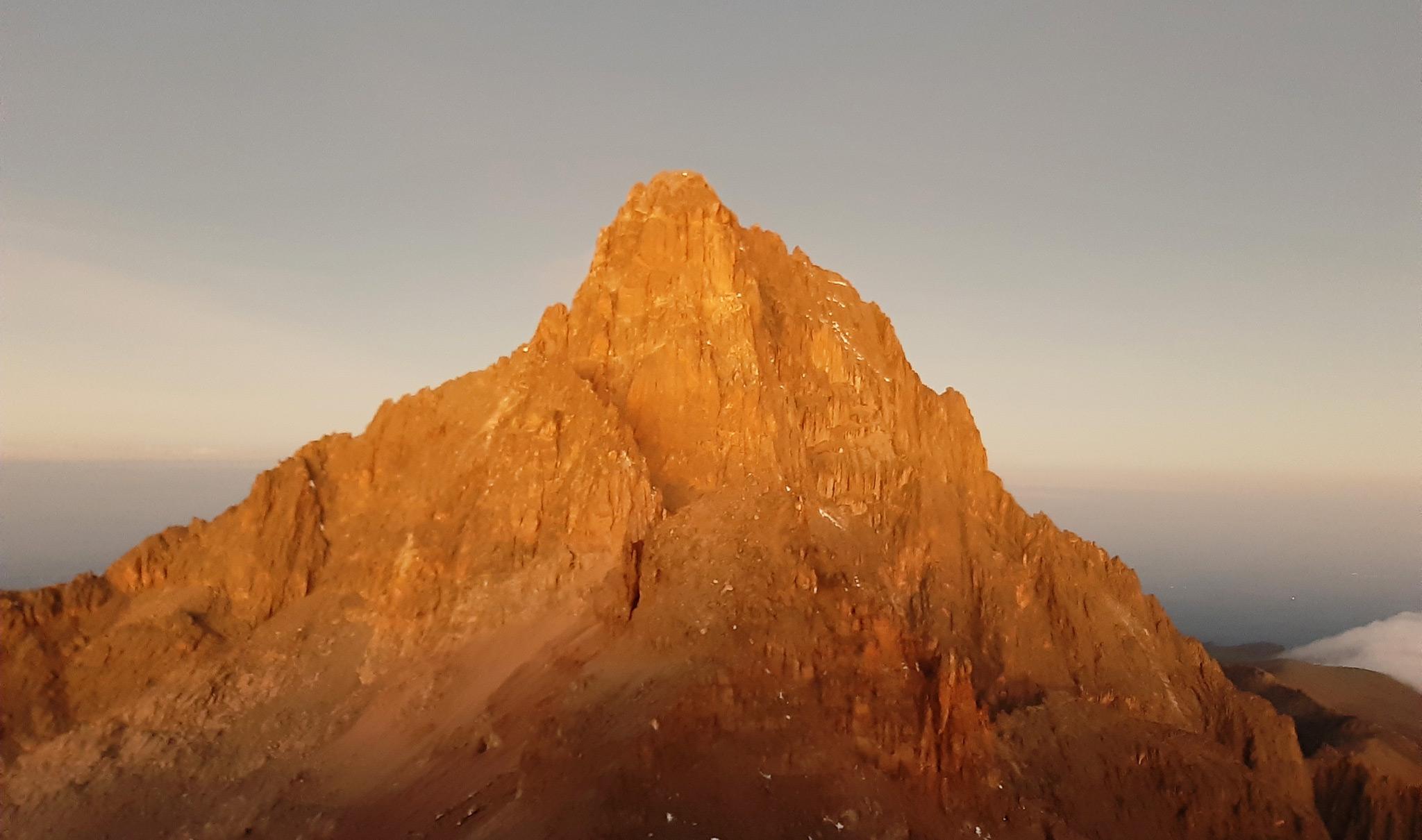
Rather than just one summit, Mount Kenya peaks offer a range of options suited to different skill levels. From straightforward trekking routes to demanding technical ascents, it offers something to climbers of different expertise and fitness levels.
Whether you are seeking a scenic hike or a challenging climb, understanding the character of your planned summit is essential.
This guide outlines the main peaks, along with their features and difficulty. Knowing more about the different options and routes helps you select the right one for your experience, fitness, and goals.
Overview of Mount Kenya Peaks
Located approximately 3.5 hours drive north of Nairobi, Mount Kenya is renowned for its striking peaks and dramatic landscapes. Trekkers and climbers from around the world are attracted by its combination of accessibility and alpine challenge.
With its several peaks, the mountain is made for diverse climbing opportunities, and a popular destination for organised trekking tours. Its summits can be accessed by a variety of routes, ranging from non-technical paths to rock climbs requiring specialised skills.
This diversity allows both leisurely hikers and experienced mountaineers to find suitable objectives. In addition to a choice of summits, Mt Kenya trekking offers breathtaking scenery, including glaciers, rugged valleys, and high-altitude lakes.
Add to this its location within a national park, and you get a destination that’s compelling beyond just summit attempts.
The Three Main Mt Kenya Peaks
Batian (highest peak)
Batian is the highest of the Mt Kenya peaks and presents a serious technical challenge. Standing at 5,199 metres (17,057 feet), it requires advanced rock climbing skills, route-finding ability, and proper equipment.
Climbers typically ascend via established routes such as the North Face Standard Route, which involves multiple pitches and exposure. Batian is best suited to experienced climbers comfortable with alpine conditions.
Nelion (technical climb)
Slightly lower than Batian at 5,188 metres (17,021 feet), Nelion is another technical peak demanding strong climbing ability. It is often climbed via the Normal Route, which includes sustained rock climbing and requires careful navigation.
Many climbers treat Nelion as a precursor to Batian or combine both peaks in a single expedition when conditions allow.
Lenana (trekking peak)
Point Lenana, at 4,985 metres (16,355 feet), is the most accessible of the three main Mount Kenya peaks.
It does not require technical climbing skills, which makes it a popular trekking destination. Given proper acclimatization, it can be achieved by hikers with a good level of fitness.
The ascent offers spectacular views and is often used as an introduction to high-altitude trekking.
Other Notable Peaks and Features
Beyond the main summits, Mount Kenya hosts several lesser-known peaks and striking formations. These include dramatic spires, ridges, and volcanic remnants shaped by ancient glacial activity.
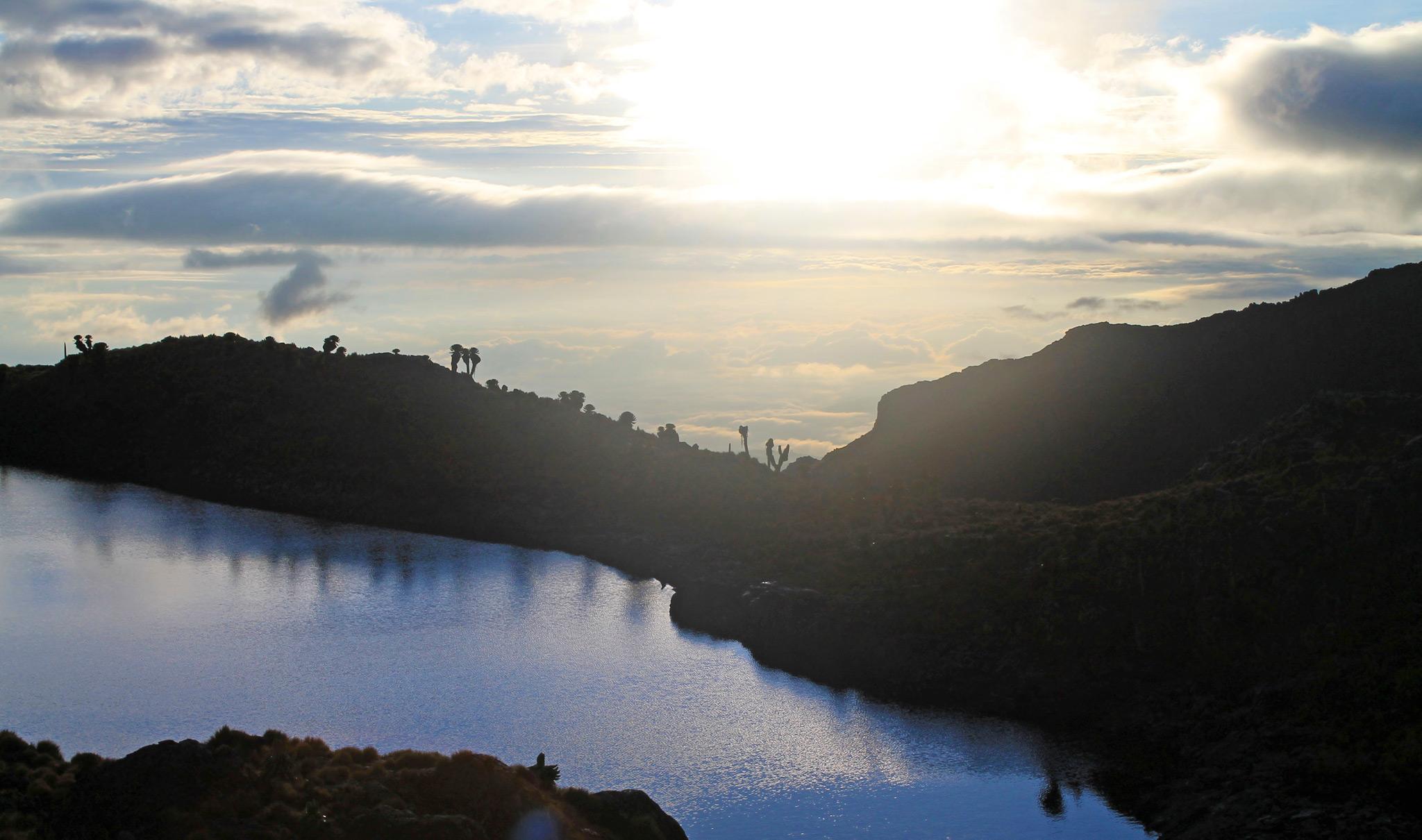
Apart from adding to its ecological significance, the mountain’s glaciers, deep valleys, and alpine tarns lend it dramatic visual appeal. These features also create a diverse range of microclimates, supporting unique flora and fauna adapted to high-altitude conditions.
These elements make Mount Kenya not only a site of geological interest and scientific importance but also a place of remarkable natural beauty.

Best Time to Climb Mt Kenya Peaks
Climbing conditions on Mt Kenya peaks vary throughout the year, making timing an important factor for safety and success. Climbers are more likely to encounter favorable weather during the dry months, with less rainfall and reduced risk of slippery paths or sudden storms.
Seasons and Weather Conditions
The best times to climb Mount Kenya are during the dry seasons, from January to March and July to October. These periods typically offer clearer skies, more stable weather, and better visibility.
During the rainy seasons, trails can quickly become muddy and slippery. Wet rocks and reduced stability can result in technical routes becoming more hazardous. In addition, heavy cloud cover and fog during wetter months can obscure navigation and limit summit views.
Even in transitional periods, sudden afternoon showers are quite common, so early starts are recommended. Irrespective of the season, you should always be prepared for rapid weather changes and drops in temperature at higher altitude.
When to Avoid Climbing
It is advisable to avoid climbing during periods of heavy rainfall, usually in April to June and November. Poor visibility, increased risk of rockfall, and challenging trail conditions can make ascents dangerous if not altogether impossible.
With these considerations in mind, it is vital to plan your hiking adventure carefully. Contact our travel experts to find out more arrange for an experience that is both safe and enjoyable.

Mt Kenya Highest Peak – Batian Explained
Rising to 5,199 metres (17,057 feet), Batian is the highest among the Mount Kenya peaks. It is a true alpine objective, known for its steep rock faces and demanding routes.
Unlike some lower, easier trekking peaks, Batian requires technical climbing ability, making it a serious undertaking reserved for skilled mountaineers.
Altitude, Routes and Technical Requirements
At 5,199 metres (17,057 feet), Batian presents both altitude and technical challenges. Climbers must contend with reduced oxygen levels while at the same time navigating complex rock routes.
Popular ascents, such as the North Face Standard Route, involve multi-pitch climbing on exposed terrain. Such routes and obstacles demand proficiency in rope work, belaying, and route-finding.
Experience in alpine environments is crucial, as weather conditions can change rapidly. In addition, proper equipment, including climbing ropes, harnesses, helmets, and appropriate footwear, is essential.
If you are planning on scaling Mount Kenya’s highest peak, you should also be comfortable with long, sustained climbs. For a successful ascent, you should also be prepared to manage both physical and mental demands at high altitude.
Who Should Attempt Batian?
Batian is best suited to experienced climbers with a solid background in multi-pitch rock climbing and alpine conditions.
It is not appropriate for beginners or those without technical training. It is not for those faint of heart. Rather, those attempting it should be confident, well-prepared, and equipped to handle both altitude and exposure.
Point Lenana – The Most Popular Summit
Point Lenana is the most frequently climbed among the Mt Kenya peaks. At 4,985 metres (16,355 feet), it is still sufficiently high, offering a rewarding high-altitude experience without the need for technical climbing.
This makes it an attractive option for trekkers seeking a challenging yet achievable summit.
Why Lenana Is the Best Choice for Most Travellers
Lenana is widely considered the best option for most visitors due to its accessibility and non-technical nature. Several well-established trekking routes lead to the summit, allowing hikers to reach the top without specialised climbing skills.
While it may not be technically challenging, the hike still requires effort and determination. However, it remains within reach for fit individuals.
One of the highlights of climbing Lenana is the sunrise summit experience. Trekkers often begin their final ascent before dawn, reaching the top just as the sun rises over the surrounding landscape.
The spectacular views emerging from the twilight are a perfect reward for all the efforts required to come this far.
Difficulty and Acclimatization
Although non-technical, Lenana should not be underestimated. At nearly 5,000 metres (16,400 feet), altitude can pose a significant challenge, with symptoms like headaches or fatigue affecting some climbers.
Proper acclimatization is essential for success. In order to get acclimatized, it can make sense to spend some time in the area before starting the ascent.
Gradual ascent, adequate hydration, and allowing time for rest days can further help reduce the risk of altitude sickness.
Choosing longer routes with staged climbs can improve adjustment and increase the likelihood of reaching the summit comfortably. Additionally, a good level of fitness is required to manage long trekking days and steep ascents.

Mt Kenya Routes: How to Reach the Peaks
All Mount Kenya peaks can be accessed via several established routes, each with distinct scenery, difficulty, and approach.
Choosing the right route primarily comes down to your fitness, experience, and acclimatization needs. However, it also depends on your priorities, and on whether you prefer gradual ascents, speed or dramatic landscapes.
Sirimon Route
Known for its gradual ascent and well-paced profile, the Sirimon Route is among the most popular approaches to Mount Kenya. It is an excellent choice for acclimatization, as it allows you to steadily adjust to increasing altitude.
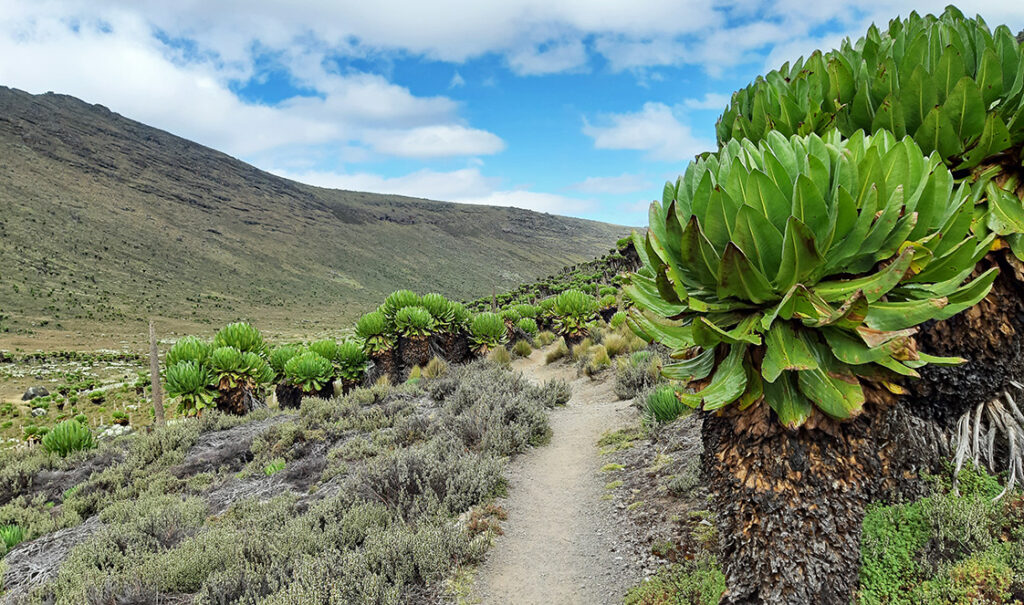
The route approaches the mountain from the north-west and features diverse scenery, including forest, moorland, and high-altitude landscapes.
Though popular, Sirimon is generally considered less crowded than other routes, offering a quieter trekking experience. Its steady incline and reliable conditions make it suitable for both beginners and those preparing for higher technical peaks.
Chogoria Route
The Chogoria Route is widely regarded as the most scenic way to approach the Mt Kenya peaks. It offers spectacular views throughout, including alpine lakes, waterfalls, and dramatic valleys. Notable features such as Lake Michaelson and the striking Gorges Valley make the journey as rewarding as the summit itself.
Although slightly longer than alternatives and sometimes more logistically complex, the route provides a visually rich experience. Chogoria is often used for descending after ascending via another path, with the diverse landscapes creating a constantly changing backdrop.
For photographers and nature enthusiasts, it stands out as one of the most memorable sections of any Mount Kenya expedition.
Naro Moru Route
For those favouring speed over leisure, the Naro Moru Route is the fastest way to reach Mt Kenya’s higher reaches. However, it comes with steeper gradients and is more physically demanding than alternative routes.
Naro Moru is direct, though less scenic than others, and includes challenging sections such as the “Vertical Bog”. This notoriously steep, waterlogged stretch is often covered in thick mud that can reach ankle- to knee-deep.
Considering the route’s profile, it is best suited to experienced trekkers who are confident in their fitness and acclimatization.
Route Combinations
Combining different routes is a good way to enhance the Mount Kenya experience. The Sirimon–Chogoria traverse, taking the gradual ascent via Sirimon up before descending through the scenic Chogoria landscapes, is especially popular.
While improving acclimatization, this approach also provides a broader and more varied perspective of the mountain.
A combination of routes generally offers more diversity: As you avoid retracing the same path, the hike offers more diversity from start to finish.

Mt Kenya Trekking Tours with Kenya-Experience
If you are planning on hiking any Mount Kenya peaks, it’s important to note that a local guide is mandatory. You cannot enter the National Park for a hike without a qualified professional.
At Kenya-Experience, we offer expertly organised trekking tours designed to suit different levels of fitness and travel preferences. Whether aiming for the scenic Point Lenana or considering a more ambitious ascent, all our itineraries are carefully crafted. To ensure a memorable experience and a successful ascent, they all balance adventure, safety, and comfort.
Get in touch with our travel experts to create your own, personalised Mt Kenya itinerary. They will help you build a trek that matches your schedule, experience, and interests. A tailor-made approach ensures that every detail is considered, from route selection to pacing and acclimatization.
All treks are supported by experienced and registered local guides. We also provide full logistics, including accommodation, meals, permits, and transport. This allows you to fully focus on the trekking experience and the stunning landscapes along the way.
Mt Kenya Tours:
Sirimon Route
Places Mount Kenya National Park
from 1,125 USD (based on >6 persons)

Chogoria Route
Places Mount Kenya National Park, Chogoria, Lake Ellis, Mintos Camp, Point Lenana, Shipton’s Camp, Mackiner’s Valley
from 1,350 USD (based on >6 persons)
Mt Kenya Difficulty: What to Expect
The different Mount Kenya peaks offer a wide range of difficulty levels. Depending on the chosen peak and route, the climb can range from relatively straightforward to technical mountaineering.
Regardless of which approach you prefer, proper acclimatization, preparation, and guidance are key to ensuring a safe and rewarding ascent.
Trekking vs Technical Climbing
There is a clear distinction between trekking peaks like Point Lenana and technical summits such as Batian and Nelion. Lenana can be reached via well-established trails without requiring ropes or climbing equipment, making it accessible to fit trekkers. It is primarily a high-altitude hike, so the thin air and steep sections can make it physically demanding.
In contrast, routes leading up to Batian and Nelion involve exposed sections and sustained technical pitches on rock. This calls for advanced rock climbing skills, rope systems, and experience in alpine environments. Climbers must be comfortable with belaying, route finding, and multi-pitch techniques in an alpine setting.
Altitude and Physical Challenge
Altitude is one of the main challenges on any of the Mt Kenya peaks. As you ascend towards nearly 5,000 metres (16,400 feet), oxygen levels decrease significantly.
Irrespective of fitness level, this can lead to fatigue, headaches, or altitude sickness. A slow pace is essential for proper acclimatization, and most organised treks usually take between 4 and 6 days.
Depending on the route and itinerary, daily trekking durations typically range from 4 to 8 hours. Steeper routes and sections require greater effort and endurance. Listening to your body and allowing time to rest and recover is key to completing the trek safely and successfully.
Required Experience and Fitness
Mt Kenya peaks offer a varied terrain, which means it is accessible to reasonably fit beginners, for instance on Lenana. More experienced trekkers usually opt for longer or more demanding routes.
Preparation should include cardiovascular training, and hiking practice with elevation gain. In order to reduce the risk of altitude-related issues, it is important to allow time for acclimatization. This can be achieved by hiking along the mountain’s lower reaches.
Another popular choice for acclimatization time is to combine it with a safari in one of the surrounding parks.

Acclimatization and Safety on Mount Kenya
Proper acclimatization and safety are essential for a successful and enjoyable trek on Mount Kenya. High altitude, variable weather, and remote terrain mean that preparation and support play a crucial role in improving summit success.
Why Acclimatization Is Key
As with any high mountains, acclimatization is vital on Mt Kenya. The routes leading up to its peaks are characterised by rapid altitude gains, particularly above 3,000 metres (9,800 feet).
Without sufficient adjustment time, this can cause trekkers to experience altitude sickness, including symptoms like headaches, nausea, dizziness, and fatigue. In more severe cases, it can become dangerous and require immediate descent.
To reduce these risks, gradual ascent is recommended, along with rest days and proper hydration.
Longer itineraries that allow the body to adapt slowly significantly improve comfort, safety, and success rates. Rather than pushing on, it is important to listen to your body and recognise early symptoms.
Role of Guides and Porters
Professional guides and porters play an essential role in ensuring safety and comfort on Mount Kenya. Guides are responsible for navigation, pace, and monitoring group health, particularly in relation to altitude effects and changing weather conditions.
Their experience is invaluable in making real-time decisions that prioritise safety, which is why they are mandatory. Without a certified guide, you won’t be able to enter Mount Kenya National Park for a hike or trek.
Porters meanwhile provide crucial support in terms of logistics: By carrying equipment, food, and supplies, they allow you to fully focus on the climb itself. Together, this support system enhances both safety and efficiency, ensuring that trekkers are well looked after throughout the trek.

FAQs About Mt Kenya Peaks
What is the highest peak on Mount Kenya?
The highest peak on Mount Kenya is Batian, which rises to 5,199 metres (17,057 feet) above sea level. It is a rugged, technical summit located within the mountain’s central massif.
Batian is part of the twin summit structure alongside Nelion, and it represents the ultimate climbing objective on Mount Kenya. It requires advanced rock climbing skills, experience in alpine conditions, and the use of specialist climbing equipment throughout the ascent.
How difficult is climbing Point Lenana?
Climbing Point Lenana is considered moderately challenging but non-technical, making it the most accessible of the Mt Kenya peaks. At 4,985 metres (16,355 feet), the main difficulty comes from altitude rather than technical terrain.
Trekkers need a good level of fitness to cope with long hiking days, steep sections, and cold conditions. With proper acclimatization and a steady pace, the summit can be reached without prior mountaineering experience.
Do I need technical climbing skills for Mt Kenya?
Whether or not you need technical climbing skills depends on which of the Mount Kenya peaks you wish to climb. Technical climbing skills are not required for reaching Point Lenana, which is considered a so-called trekking peak.
However, they are essential for summiting Batian and Nelion, where climbers face steep rock faces, exposed ridges, and multi-pitch ascents. These technical routes demand proficiency in rope work, belaying, and route-finding.
For most visitors, trekking routes provide a rewarding high-altitude experience without the need for advanced climbing expertise.
How long does it take to reach the summit?
The time required to reach one of the Mount Kenya peaks depends on the chosen route and peak. For Point Lenana, most trekking itineraries take around three to four days, allowing time for acclimatization. Longer routes may extend to five or six days for a more gradual ascent.
Technical climbs to Batian or Nelion typically take longer. This is due to route complexity, and weather conditions, which call for careful progression on the rock faces.
What is the best route for first-time climbers?
For first-time climbers, the Sirimon Route is recommended due to its gradual ascent and excellent acclimatization profile. It offers a comfortable introduction to high-altitude trekking and can be combined with descent via the Chogoria Route for variety.
This combination provides both manageable hiking conditions and outstanding scenery. It is a perfect introduction and ideal for beginners seeking a safe and rewarding first experience on Mount Kenya.
If you are unsure which route is best for you, contact our travel experts for further information and advice.
When is the best time to climb Mount Kenya?
The best time to climb Mount Kenya is during the dry seasons, when the weather is generally more stable. From January to March and July to October, you can expect not only clearer skies, but also safer trekking conditions.
Trails are less muddy, and visibility is generally better for mountain views. The rainy seasons should be avoided where possible. As heavy rainfall turns routes into slippery paths, it reduces overall safety as well as enjoyment.

Conclusion: Finding Your Perfect Mt Kenya Summit
All of the Mount Kenya peaks offer a remarkable range of summit experiences. With choices ranging from accessible trekking to highly technical climbs, each option provides a different balance of challenge and scenery.
Selecting the right path is important, but so are proper acclimatization and preparation. A suitable pace as well as local knowledge and support are key to a safe and rewarding ascent.
By opting for a tailor-made itinerary, you can choose the route that best suits your ability and goals.
Contact our travel experts to explore our guided trekking and climbing options and begin planning your Mount Kenya adventure today.
Author: Christina Leitner