on Google


Defined by unforgettable wildlife encounters, a safari in Kenya extends far beyond the hours spent tracking animals. The lodges and camps you choose play an equally important role, shaping the atmosphere, and memories of your journey.
From elegant tented camps overlooking sweeping savannahs to intimate safari lodges in Kenya’s private conservancies: They are all renowned for their bespoke interiors and comfort as well as their seamless integration into their surroundings.
Luxury Kenya safari lodges are designed to create a connection with nature rather than separate them from it. They provide spaces where you can watch wildlife from your veranda and absorb the sounds and rhythms of the bush.
When chosen well, a safari lodge becomes more than a place to sleep. It becomes an integral part of the adventure, enriching every moment spent in the wilderness.

More Than Accommodation: When Your Lodge Becomes Part of the Safari
The best Kenya safari lodges offer far more than comfort and convenience. They become a natural extension of the bush itself, allowing you to remain connected to the landscape throughout the day.
Thoughtful design, generous outdoor areas, and open vistas ensure the surrounding environment remains ever-present. In many lodges this aspect allows you to continue wildlife viewing even while you are at camp.
Beautifully designed camps that blend into their natural surroundings
Lodges and camps on an authentic Kenya safari are thoughtfully designed to complement rather than dominate their environments. Natural materials, muted colours, and open layouts help Kenya safari camps blend seamlessly into the surrounding landscape.
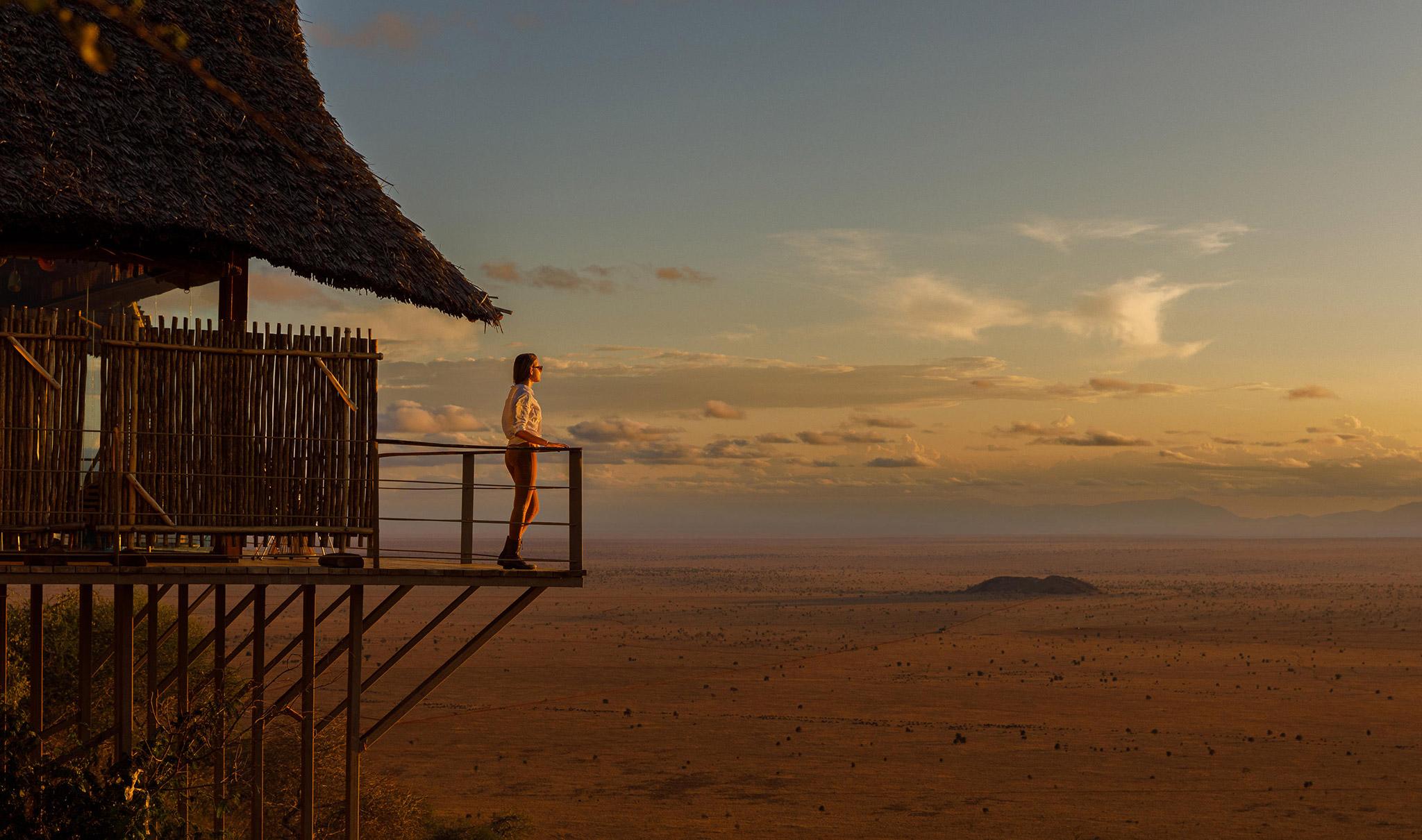
Whether positioned beneath ancient acacia trees, or overlooking riverbanks, these properties create a sense of harmony with nature. Viewing decks, canvas walls, and outdoor living spaces ensure guests remain connected to the sights and sounds of the bush.
The result is accommodation that feels authentic and deeply rooted in its location, both in National Parks and private conservancies.
The magic of spending time at camp between game drives
Some of the most memorable safari moments happen when there are no vehicles in sight. Between game drives, you can enjoy a slower pace at your lodge and camp. While away the afternoon watching wildlife gather near waterholes, reading, or simply observing the changing light across the landscape.
Enjoy relaxed meals to the soundtrack provided by the bush. Birdsong, distant impala calls, the roar of a lion, and the trumpets and snorts of elephants: They all come together in a soundscape unlike any other.
Why slowing down creates a richer safari experience
A safari is not simply about seeing as much wildlife as possible. It is an opportunity to slow down and be present, to engage with and appreciate your surroundings. Embracing a gentler pace allows you to discover details that might otherwise be missed.
It also creates space for reflection, giving each moment more weight and allowing experiences to settle. In this way, every sighting becomes more meaningful. It is shaped not just by what you see, but by how you experience it.
Favourite Tors:
Northern Kenya – Experience Remoteness
Places Solio Game Reserve, Samburu National Reserve, Ol Pejeta Conservancy
from 1,560 USD (based on 7 persons)

Luxury Bush Camp Experience – Fly-In Safari
Places Ol Pejeta Conservancy, Mara North Conservancy, Masai Mara National Reserve
from 6,990 USD (based on 2 persons)
Why Location Matters Just as Much as the Lodge
The location of Kenya safari lodges can shape the entire experience as much as its design or comfort. Well-placed Kenya safari camps open the door to richer wildlife encounters and a stronger sense of space, tranquillity and belonging. Ultimately, your accommodation’s location defines the rhythm of your stay in the bush.
Private conservancies offer a quieter, more exclusive safari
Surrounding Kenya’s key national parks, private conservancies like Lewa or Ol Pejeta provide a noticeably calmer safari experience. With limited visitor numbers and controlled vehicle access, wildlife viewing feels more unhurried and personal.
Due to the private character of the land, you are not restricted to the same rules as inside national parks. Many conservancies also offer activities not permitted in national parks, including guided walking safaris, night drives, and off-road wildlife viewing.
Not only does this contribute to more variety but you also get to see fauna and flora from different perspectives. To find out more about Kenya’s private conservancies, contact our travel experts on the ground.
Unique activities beyond the game drive: walking safaris, night drives and bush breakfasts
Staying in the right location opens up experiences that go beyond the standard game drive. Guided by experienced rangers, walking safaris allow you to explore the landscape on foot.
You’ll be focusing on tracks, plants and the smaller details of the bush. Night drives reveal a different world entirely, where nocturnal species emerge under the cover of darkness.
Turning simple meals into memorable moments set in striking surroundings, bush breakfasts and sundowners add another dimension. These activities bring variety to each day and offer fresh ways to engage with your environment.
Conservation and community partnerships enrich every stay
Many of the best Kenya safari lodges, like at Lewa and Ol Pejeta Conservancies, fund conservation and community projects. Staying at these lodges or camps often directly supports wildlife protection, anti-poaching efforts and habitat preservation. At the same time, community partnerships help create jobs, fund education and support local livelihoods.
As a guest you benefit from this approach by gaining an understanding of how tourism contributes to long-term conservation goals. Conservation and community partnerships add a meaningful layer to the journey. They ensure that each stay contributes to protecting wildlife and supporting the people who share the land with it.

Lewa Wilderness Camp: An Authentic Kenya Safari Rooted in Conservation
Set within the renowned Lewa Wildlife Conservancy, Lewa Wilderness Camp combines exceptional wildlife viewing with a long-standing commitment to conservation. Here, you can enjoy varied activities while supporting one of Kenya’s most important conservation success stories.
A family-owned camp in one of Kenya’s pioneering conservancies
Lewa Wilderness Camp has been owned and managed by the Craig family for generations. Sitting at the heart of a landscape renowned for its wildlife and conservation achievements, it offers a warm, welcoming atmosphere. This reflects not only decades of experience in the region but also its peaceful setting surrounded by diverse habitats.
With just a small number of cottages, you can be sure to enjoy attentive service along with excellent guiding. Your stay contributes directly to conservation work, community development, and the long-term protection of this remarkable ecosystem.
Walking safaris, horseback adventures and rhino conservation
Lewa Wilderness Camp offers a wide range of activities that showcase the conservancy from different perspectives. Guided walking safaris reveal details of the bush that are usually overlooked. Horseback safaris, meanwhile, allow you to approach plains game in a unique way.
Registered as a rhino conservancy in 1983, the former cattle farm today is famous for its successful rhino breeding. Game drives provide opportunities to see its thriving populations of black and white rhino, alongside predators and other wildlife. Throughout your stay, you’ll also gain insight into the conservation work done here on a daily basis.
Experiencing the wilderness from your doorstep
Wildlife is never far away at Lewa Wilderness Camp. Elephants, giraffes and antelope frequently wander through the surrounding landscape, while birds and smaller mammals are regular visitors around camp.
Spacious verandas provide comfortable places to relax between activities, with sweeping views across the conservancy. From enjoying a quiet morning coffee or watching the changing colours of sunset: You remain closely connected to the natural world without ever needing to leave the camp.

Ol Pejeta Conservancy: Luxury with a Purpose
Ol Pejeta Conservancy combines high-end safari accommodation with a strong focus on wildlife protection. Set against the backdrop of Mount Kenya, it is one of East Africa’s most important conservation areas. Staying here offers comfort alongside a clear sense of purpose.
The River Camp – overlooking the Ngobit River
The River Camp sits in a prime position along the Ngobit River. Here, constant wildlife activity brings the landscape to life, and tents are positioned to make the most of sweeping views. Elephants, buffalo and antelope often come down to the river to drink – within clear sight of your accommodation.
While birdlife gathers along the riverbanks, the sound of flowing water sets a calm backdrop throughout the day. Even when relaxing, there is always movement to observe, making the camp’s setting as engaging as the game drives themselves.
Relaxing while wildlife comes to you
At The River Camp, much of the wildlife viewing happens without having to leave on a game drive. Open communal areas and private verandas overlook active water points and grazing areas. These attract a stream of animals passing by the lodge throughout the day.
This constant activity means there is no need to rush between outings. You can simply keep an eye on passing herds while enjoying a quiet drink or reading a book.
Discovering East Africa’s leading rhino conservation success story
Ol Pejeta is widely recognised for its groundbreaking rhino conservation work. It is home to both black and white rhinos, including the world’s last two northern white rhinos under protection. The conservancy plays a leading role in anti-poaching efforts and species preservation across the region.
Guided visits offer insight into these initiatives, highlighting the scale of the work being carried out. This will leave you with an understanding of the collaborative efforts it takes to safeguard the future of endangered species.

Mara North Conservancy: The Ultimate Bush Experience
With its rich wildlife density, Mara North Conservancy offers one of the most rewarding safari environments in Kenya. Bordering the Masai Mara National Reserve, it provides access to prime game viewing while maintaining strict limits on visitor numbers.
Elephant Pepper Camp – classic safari elegance in a private conservancy
Set beneath a canopy of acacia trees in Mara North Conservancy, Elephant Pepper Camp is a traditional tented camp. Designed in a classic safari style, it focuses on comfort and understated charm rather than excess.
With only a small number of tents, the camp maintains a calm and personal atmosphere. Game regularly passes through the surrounding plains, and its location ensures excellent wildlife sightings throughout the year.
What’s more: Access to this area is restricted to nearby lodges and their guests, keeping traffic low.
Enjoying night drives and guided walks unavailable in the national reserve
Unlike the neighbouring Masai Mara National Reserve, Mara North Conservancy allows night drives and guided walking safaris. From tracking nocturnal species after dark to exploring on foot, you’ll get a different perspective on the bush.
The flexibility of movement adds variety to your safari, providing access to experiences not permitted in the main reserve. It also allows guides to follow wildlife more closely and respond to sightings in a more fluid way. This creates encounters that feel less structured and more closely tied to the natural behaviour of animals.
Campfire stories beneath Africa’s star-filled skies
Evenings in Mara North often centre around the campfire, where guests gather to unwind after a day in the bush. With minimal light pollution, the night sky is filled with stars, creating a striking backdrop for shared stories and reflections.
Exchange experiences from the day with your guides and other guests, while the sounds of the wilderness provide the soundtrack. Concluding the day around the fire is a relaxing and at the same time sociable event. It often becomes a natural highlight of the stay, marking a gentle end to each safari outing.

Samburu: Staying in One of Kenya’s Most Unique Landscapes
With arid plains, rugged hills and a strong cultural identity, Samburu offers a striking contrast to Kenya’s southern safari regions. Staying in this region brings a sense of space, colour and character that defines northern Kenya.
Ashnil Samburu Camp – overlooking the Ewaso Nyiro River
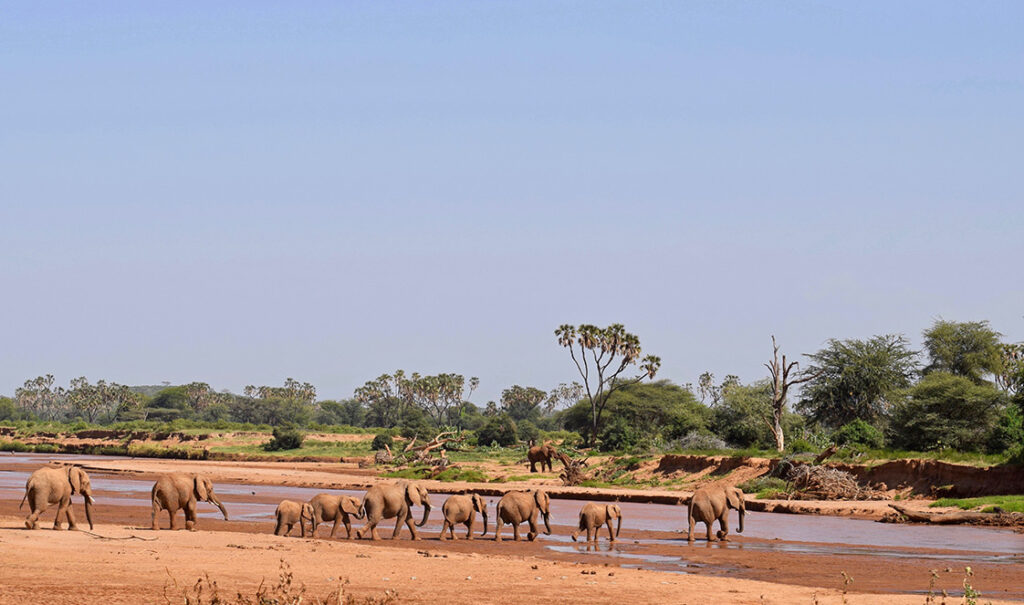
Ashnil Samburu Camp is set along the banks of the Ewaso Nyiro River, a lifeline for wildlife in this semi-arid region. The comfortable and spacious tents are arranged to make the most of the river views. Elephants, crocodiles and birdlife are frequently visible from camp.
The steady presence of wildlife ensures there is always something to observe, even during quiet moments between game drives. Particularly during the drier months when water sources are limited, you can watch animals coming down to drink.
Discovering the Samburu Special Five
Samburu National Reserve is best known for its rare and distinctive wildlife, often referred to as the Samburu Special Five. These include the Grevy’s zebra, reticulated giraffe, Beisa oryx, Somali ostrich and gerenuk. Each species has evolved to thrive in the region’s dry conditions, making sightings particularly rewarding.
Game drives focus on tracking these animals across open landscapes and river corridors. Our experienced guides will be sharing insight into their behaviour and habitat, turning each outing into an engaging lesson.
Why northern Kenya offers a completely different safari atmosphere
Compared to the country’s more visited safari regions, Northern Kenya has a quieter, more rugged feel. The landscapes are more open and dramatic, interspersed with volcanic hills and dry riverbeds, and offering wide horizons. Visitor numbers are lower, which means fewer vehicles at sightings and a greater sense of space throughout the day.
Encounters with the Samburu people add another layer to your safari. The combination of scenery, wildlife and cultural heritage contributes to an atmosphere that feels distinct and memorable.

The Moments You’ll Remember Most Often Happen at Camp
While game drives deliver the big sightings, it is often the quieter hours at camp that stay with you longest. Between activities, life slows down, allowing time to notice the rhythm of the surrounding landscape. These everyday moments tend to become the most vivid part of a safari in Kenya.
Morning coffee as elephants wander past
Early mornings at Kenya safari camps often begin with coffee on the veranda as the bush slowly comes to life. In some locations, elephants may pass close by while grazing or browsing, moving calmly across the landscape as the day begins.
The light is soft, the air is cool, and the sounds of birds carry across the savannah. With no rush to head anywhere immediately you have time to ease into the day. While calm, daybreak is made all the more exciting by watching wildlife move through the surroundings.
Afternoon siestas with views across the savannah
The heat of the afternoon brings a natural pause in activity, creating space for rest and quiet time at camp. Many luxury Kenya safari lodges and camps are designed to offer wide views across open plains.
Open communal and private spaces allow you to relax with an eye on the landscape. A shaded deck, comfortable chair and distant wildlife create an easy rhythm to the day. Take the chance to slow down, read, nap or simply sit still while nature continues its steady pace around you.
Sundowners and dinner beneath the stars
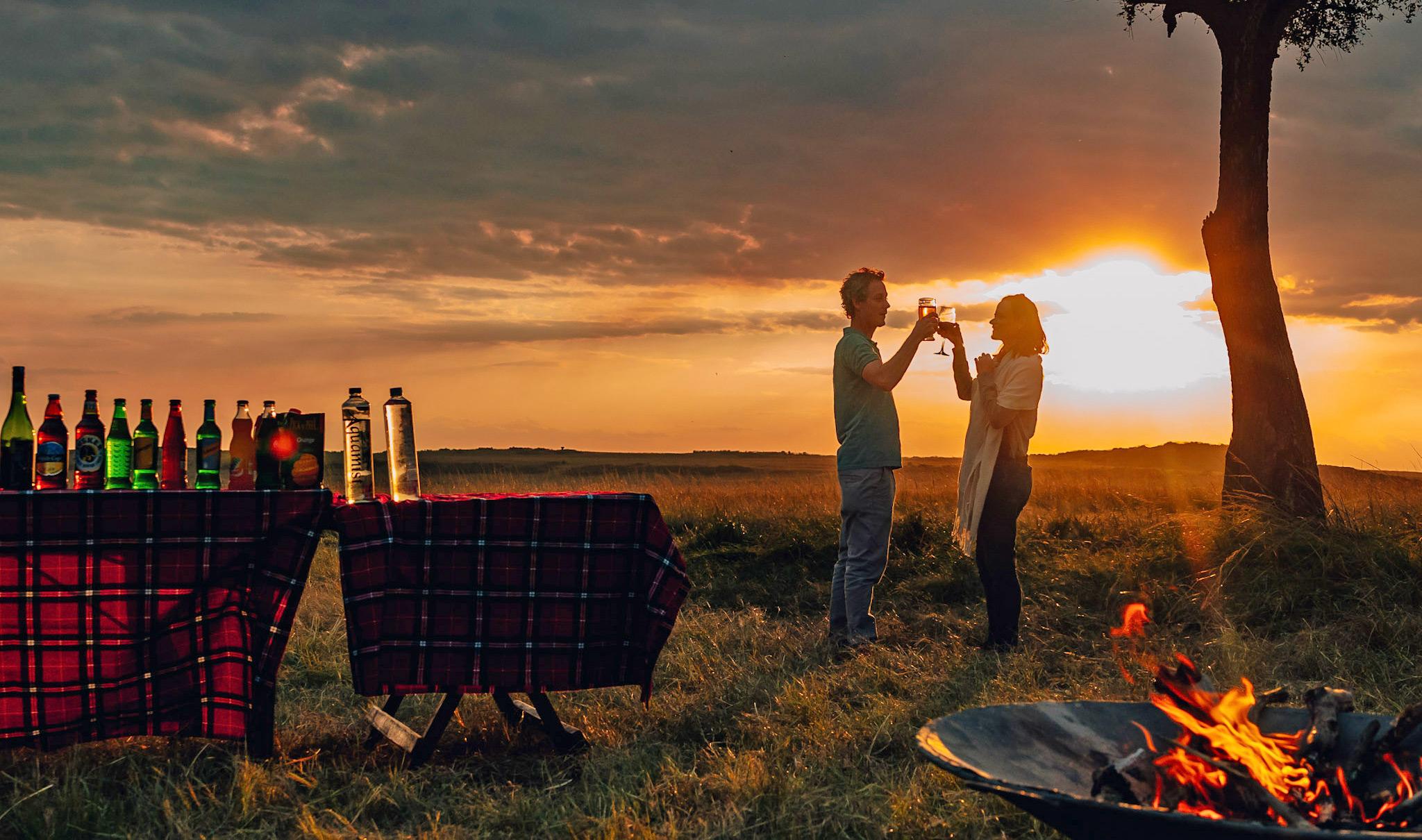
As the light fades, safari days often end with sundowners in carefully chosen spots overlooking the bush. The sky shifts through warm tones before giving way to night, setting the scene for dinner outdoors. Meals are unhurried, often turning into lengthy sociable affairs with the distant sounds of wildlife providing the soundtrack.
With minimal artificial light, the night sky becomes a defining feature of the evening. The Milky Way appears with striking clarity, while lanterns and firelight create a gentle glow and cosy atmosphere.
Falling asleep to the sounds of the African bush
Night in the bush brings a different kind of atmosphere, irrespective of whether you choose a camp or lodge. When night falls, the natural sounds of the wilderness take on a different meaning. Crickets, distant calls and occasional movement outside your tent or room form a constant backdrop as the day winds down.
Falling asleep to these sounds creates a strong sense of place, marking a clear contrast to everyday life. With this in mind it is important to note that any safari accommodation is designed for comfort. It will keep you safe while still allowing you to remain aware of your surroundings.

Frequently Asked Questions About Kenya Safari Lodges
What is the difference between a safari lodge and a tented camp?
A safari lodge is typically a permanent structure built from stone, wood or thatch. It offers solid rooms with en-suite facilities and shared main areas such as dining rooms and lounges.
A tented camp, by contrast, uses canvas structures often on permanent foundations, combining comfort with a closer connection to the environment. Both can be highly comfortable, but tented Kenya safari camps often feel more open to the landscape. Lodges, meanwhile, tend to offer a more enclosed and robust setting.
Why should I stay in a private conservancy instead of a national park?
Private conservancies generally offer a quieter safari experience with fewer vehicles and more flexibility in activities. Unlike national parks, they often allow night drives, walking safaris and off-road access in certain areas, depending on regulations.
This creates more varied ways to explore the bush and reduces congestion at sightings. Conservancies also work closely with local communities and conservation organisations, meaning your stay directly supports wildlife protection and livelihoods. While national parks are iconic and rich in wildlife, conservancies provide a more flexible and less crowded alternative.
Which Kenya safari lodges offer walking safaris and night drives?
Walking safaris and night drives are mainly available in private conservancies. Areas such as Lewa Wildlife Conservancy, Mara North Conservancy and parts of Laikipia are well known for these activities.
Lodges like Lewa Wilderness Camp and camps in Mara North or Ol Pejeta often include guided walks and night drives. These experiences are led by trained guides and allow you to explore beyond the limits of daytime game drives.
How many nights should I spend at each safari lodge?
A typical safari itinerary in Kenya usually allows for two to four nights at each lodge or camp. This provides enough time to experience several game drives and other activities without feeling rushed.
In larger regions such as the Masai Mara or Laikipia, some travellers prefer to stay longer in one place. Reduced travel time allows you to settle into your surroundings. Shorter stays can work for multi-stop itineraries, but longer stays often lead to a more relaxed and rewarding safari experience.
Are safari lodges suitable for families?
Many luxury Kenya safari lodges welcome families and offer tailored experiences for children. Some provide family safaris and tents or interconnected rooms, as well as guides who can adapt activities for younger guests.
Certain conservancies are particularly well suited to families due to their flexibility and lower vehicle density. Activities such as nature walks, cultural visits and shorter game drives can help keep children engaged. However, suitability varies between properties, so it is important to choose lodges that specifically cater to family travel.
Which conservancy offers the best safari experience?
There is no single conservancy in Kenya that stands out as the best, as each offers something different. The Masai Mara conservancies are known for high wildlife densities and excellent big cat sightings.
Lewa is renowned for rhino conservation and varied activities such as walking and horse riding. Ol Pejeta combines strong conservation work with consistent wildlife viewing and accessible landscapes.
The choice depends on what you value most, whether that is exclusivity, species diversity or conservation focus. You can also choose to combine several conservancies for a more complete experience.

Conclusion: Beyond the Game Drive Lies the Heart of a Kenyan Safari
The excitement of spotting lions, elephants and other iconic wildlife may define a safari at first glance. However, it is often the time spent at camp that leaves the strongest impression. Watching animals from your private deck, enjoying conversations around the campfire, or waking to the sounds of the bush: Every moment spent in the comfort and safety of your accommodation creates lasting memories.
From luxury tented camps in a private conservancy, riverside lodges overlooking waterholes or family-owned camps with a strong conservation focus: Your accommodation becomes an essential part of the journey. It sets the pace, adds variety to each day and offers a deeper appreciation of Kenya’s extraordinary landscapes.
If you are planning your dream safari, choosing the right lodge is just as important as choosing the destination itself.
Contact our travel experts today to create a tailor-made Kenya itinerary featuring the best Kenya safari lodges. They’ll help you choose the perfect combination of lodges, conservancies and camps, ensuring every moment is one to remember.
Author: Christina Leitner