on Google


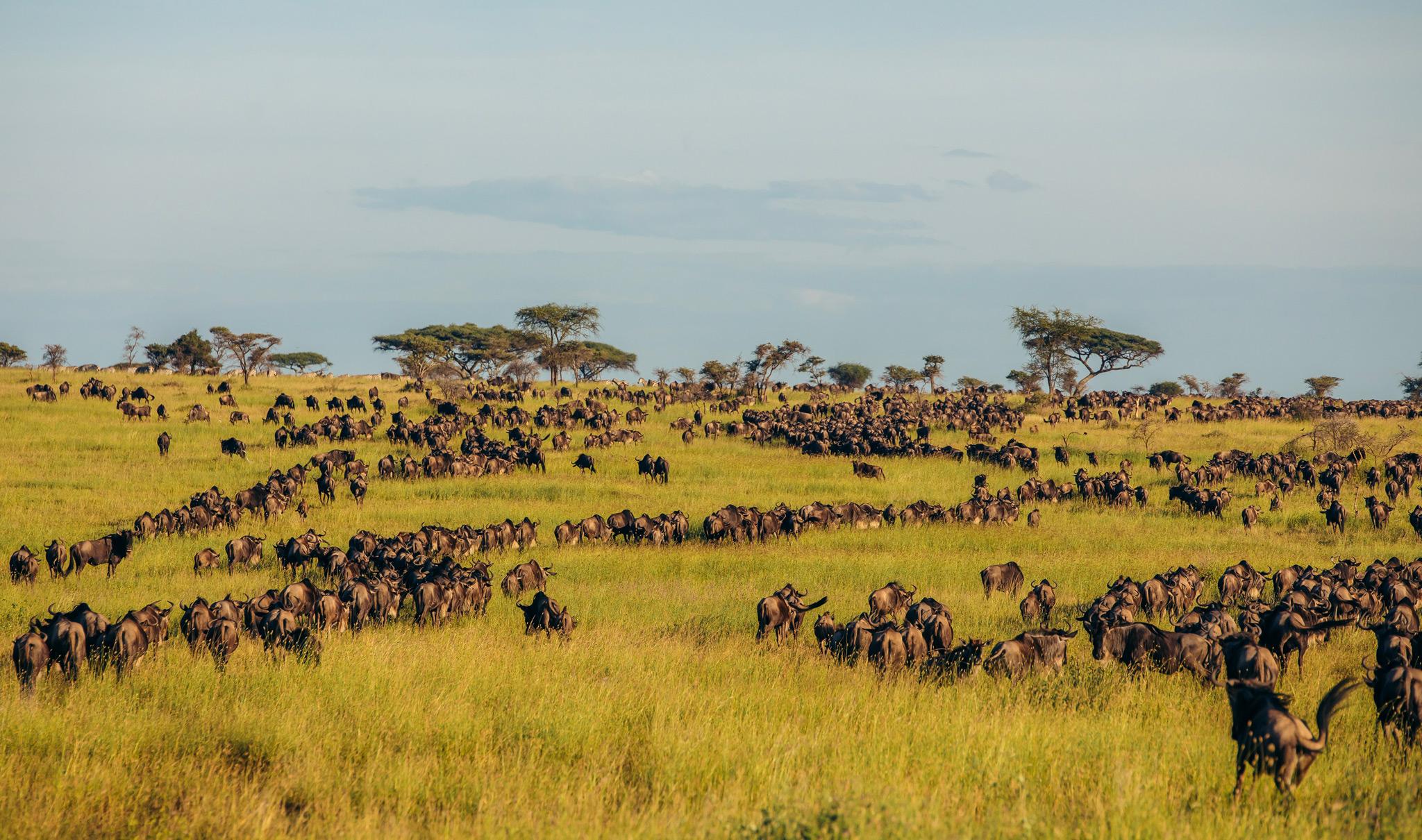
The Great Migration is one of the last remaining natural spectacles in the world, drawing visitors from around the globe.
Certain parts, particularly around river crossings in the Masai Mara and the Serengeti, can attract large numbers of vehicles. While this kind of overtourism is a genuine concern, it remains a real privilege to witness the extraordinary animal movement.
Year after year, over a million wildebeest and zebras follow ancient migratory routes shaped by rainfall and instinct. Together, they create one of the most remarkable wildlife spectacles on earth.
At Kenya Experience, we are committed to ensuring our Great Migration Masai Mara safaris are conducted responsibly. If an area becomes too crowded or behaviour unethical, our guides may choose to move to a different location.
This approach helps safeguard the wildlife while creating a meaningful and ethical experience for our guests. By prioritising responsible tourism, we aim to protect the integrity of the migration and preserve fragile ecosystems for future generations.
What is the Great Migration?
Celebrated for its scale and spectacle, the Great Migration is recognised as one of Africa’s seven natural wonders. Each year, close to two million wildebeest, zebras, and gazelles embark on a circular migration across the Mara-Serengeti ecosystem.
Covering approximately 2,900 kilometers/1,800 miles, the herds follow the seasonal rains in search of fresh grazing and water. This annual journey through Kenya and Tanzania is more than just a visual spectacle.
The herds play a vital role in maintaining the health of the ecosystem. As they move, they help disperse seeds, fertilise the soil, and regulate vegetation growth, supporting countless other species. In addition, predators such as lions rely on the migration for food, while scavengers benefit from the abundance it creates.
With shifting patterns reflecting variations in rainfall, vegetation, and climate conditions, the migration acts as an indicator of environmental changes. Scientists study its patterns to better understand ecosystem resilience, animal behaviour, and predator-prey dynamics.
Every moment of this journey is a reminder of the interconnectedness and fragility of life on the African savannah. For spectators, river crossings, predator-prey interactions, and the sheer volume of animals add to its allure and thrill.

When Is the Great Migration and When Is It in the Masai Mara?
While the Great Migration occurs year-round in Tanzania, in Kenya the herds are typically present from June to October. This is when the Masai Mara becomes a prime destination for witnessing this spectacular wildlife event.
Best Time to See the Great Migration Masai Mara
The peak season in the Masai Mara runs July to September, when the wildebeest migration is at its most dramatic. Offering unforgettable wildlife encounters, river crossings reach their climax between late July and early September.
The dry season also means that wildlife concentrates around water sources, leading to better visibility for visitors. Depending on rainfall and weather patterns, timing can vary from year to year.
This is why flexibility and guidance from experienced safari operators are essential. Get in touch with our travel experts to get advice and start planning your Great Migration Masai Mara Safari.
Monthly Migration Calendar for the Masai Mara: July to October
The Great Migration in Kenya and Tanzania is a natural phenomenon that’s dictated by rainfall and natural conditions. This makes it inherently unpredictable and near impossible to guarantee sightings.
However, understanding its patterns month by month can help you plan your visit and increase your chances of memorable encounters.
June
Herds begin arriving from the Serengeti in neighbouring Tanzania, gradually entering the Masai Mara and spreading across the plains.
July-August
This is the peak period for dramatic river crossings. You can expect large concentrations of wildebeest and zebras to gather, creating some of the most iconic safari moments.
September
Large herds remain in the Mara, but visitor numbers are slightly lower. This offers a more tranquil and immersive wildlife experience.
October
The herds start moving south again toward the Serengeti, marking the shoulder season. This is the perfect time of year if you are after a quieter safari experience with fewer tourists.

Ethical Viewing Guidelines – Respecting Wildlife
Experiencing the Great Migration is one thing, making sure it’s done in an ethical way is another. Being able to witness herds of animals traverse the savannah is a rare privilege and a memory that lasts a lifetime.
Imagine thousands of wildebeest moving in synchrony, with zebras weaving through the herds. Their calls blend with the rustle of the grass, while dust rises from the plains. The energy of the landscape, alive with motion and sound, is a feast for all the senses.
In recent years, river crossings have come to be viewed as some of the most iconic migration moments. In reality, however, they represent only a small part of this epic journey across the Mara-Serengeti ecosystem.
Witnessing a crossing is an extraordinary stroke of luck and can never be guaranteed. As a result, these sites often attract large numbers of vehicles, which can lead to overtourism and disturb the wildlife.
If a crossing becomes too crowded, park rangers may redirect traffic. Alternatively, our guides may choose to move to a quieter location. At Kenya Experience, we are committed to protecting both the animals and the quality of the experience.
Ethical viewing is about patience, respect, and appreciation; nature cannot be ordered on demand – it unfolds on its own terms. By adhering to responsible tourism principles and industry standards, we help preserve this awe-inspiring phenomenon for future generations.
Chat to our travel experts to find out more and start designing your own tailor-made migration safari.
Guidelines for Ethical River Crossings
Experiencing a river crossing is one of the most thrilling moments of the Great Migration, but it comes with responsibility. Ethical viewing ensures that the wildlife is not stressed or endangered and that every guest enjoys a safe, memorable experience.
Simple actions – like staying patient, keeping quiet, and respecting both the animals and other observers – make a big difference.
Our highly qualified guides are trained to balance close-up viewing with the safety and wellbeing of the herds. Following certain guidelines helps protect the migration while allowing you to witness one of nature’s most extraordinary spectacles responsibly:
- Arrive early but be patient – crossings cannot be predicted or rushed
- Maintain quiet observation during crossing attempts
- Allow animals natural escape routes – never surround herds
- Respect other viewers’ space and sightlines
- Follow park rangers’ and guides’ safety instructions at all times
- Do not get out of the car (ever ever ever)
- Do not pressure your guide to break rules, do not offer additional tips

Why Do Wildebeest Migrate from Kenya to Tanzania?
Wildebeest migration in Kenya and Tanzania is driven by survival. Each year, herds move between the Serengeti in Tanzania and the Masai Mara in Kenya. They do so in a circular pattern to follow the rains and the growth of fresh grazing.
The Endless Search for Fresh Grazing
Wildebeest embark on their epic migration primarily in search of fresh grass to meet their nutritional needs. Seasonal weather patterns dictate where grazing is available, and the herds instinctively follow these changes.
This circular journey has been undertaken for generations, with survival instincts guiding each movement. By tracking rainfall and vegetation, wildebeest ensure they access the most nutritious pastures while avoiding overgrazed areas.
Their relentless search for sustenance shapes not only their migration routes but also the timing and scale of their movement. This, in turn, creates one of nature’s most spectacular annual phenomena.
Following the Rains: Nature’s Perfect Timing
The migration is tied to the cycles of the long rains (March to May) and short rains (November to December). During the long rains, heavy rainfall in northern Tanzania and southern Kenya triggers rapid grass growth, attracting the herds.
Later, the short rains bring lighter showers to other areas, creating fresh grazing opportunities. The wildebeest migration in the Masai Mara and Serengeti follow these rain cycles in a continuous circular pattern. The animals move on as pastures in previously watered areas dry up.
Wildebeest have remarkable abilities to sense weather changes. They detect shifts in atmospheric pressure signalling approaching storms and can smell rain from up to 50 kilometers/30 miles away.
Thunder, lightning, and wind patterns carrying the scent of fresh grass prompt the herds to move. Their natural instincts, honed over generations, allow wildebeest to time their movements perfectly with the availability of grazing.
It is nature’s own magical way to ensure their survival across the Mara-Serengeti ecosystem.

Where to See the Great Migration Masai Mara
The Masai Mara Game Reserve offers several main access points for safari tours in search of the Great Migration.
With its strategic positioning along the Mara, Talek, and Sand Rivers, the Mara National Reserve is renowned for dramatic river crossings. Six park gates are open daily from 6 AM to 6 PM, allowing flexibility for safari drives throughout the day. However, this is also the most commercial area to witness the Great Migration.
For a more exclusive experience, many visitors choose to stay in private conservancies such as Naboisho or Mara North. These areas are less crowded and provide a peaceful base while still offering easy access to the game reserve.
It is important to note that river crossings do not occur within the conservancies themselves. Strategic planning and early departures can significantly increase your chances of observing key migration moments while avoiding the busiest areas. Mara North can be visited as part of our exclusive luxury fly-in safaris.
Another exceptional area to witness the migration is the Mara Triangle. Often regarded as one of the premier locations for experiencing the migration, it is typically less crowded than the main National Reserve while also lying along one of the key routes used by herds moving between the Mara and the Serengeti National Park.
The area offers spectacular viewpoints over the Mara River, making it an excellent place to observe dramatic river crossings. With fewer vehicles and wide, open landscapes, it is also considered one of the best areas in the Mara ecosystem for wildlife photography.
Contact our travel experts, they will happily assist you in designing a tailor-made itinerary, aligned with your interests and personal preferences.
Favorite Tours:

Kenya Classic
Places Tsavo West National Park, Amboseli National Park, Lake Naivasha, Masai Mara National Reserve
from 2,400 USD (based on 7 persons)

Kenya & Tanzania – East Africa’s Great National Parks
Places Solio Game Reserve, Lake Nakuru National Park, Masai Mara National Reserve, Lake Victoria, Serengeti National Park, Karatu & Ngorongoro Crater
from 6,100 USD per person sharing
The Mara River Crossings: When River Crossings Happen
River crossings are among the most iconic events of the Great Migration, but their timing is highly unpredictable. Crossings most often occur in the morning or late afternoon, when animals generally come out to feed.
During cooler temperatures, wildebeest and zebras are drawn towards the rivers in search of fresh grazing. In addition to the time of day, weather conditions and river levels also play a crucial role. During heavy rains or high water, crossings are at times delayed or prevented entirely.
The duration and frequency of crossings vary considerably. Some herds may cross quickly within an hour, while others linger for several hours. Predators and river conditions may impact their passage, which is why patience is essential.
Even experienced guides cannot guarantee a crossing on any given day or at any given site. Ultimately, this unpredictability is part of what makes witnessing a river crossing such a remarkable and unforgettable spectacle.
It is a rare privilege to see and feel the animal’s energy, determination, and resilience.
Wildlife Beyond Wildebeest: The Spectacular Supporting Cast
The Great Migration is far more than wildebeest navigating river crossings, drawing an extraordinary density and variety of wildlife. You have the chance to witness far more than wildebeest, zebras and gazelles traversing the Mara-Serengeti ecosystem.
Be prepared to encounter some of Africa’s most iconic wildlife in one of the continent’s richest natural arenas.
Zebras, Thomson’s Gazelles, and Eland
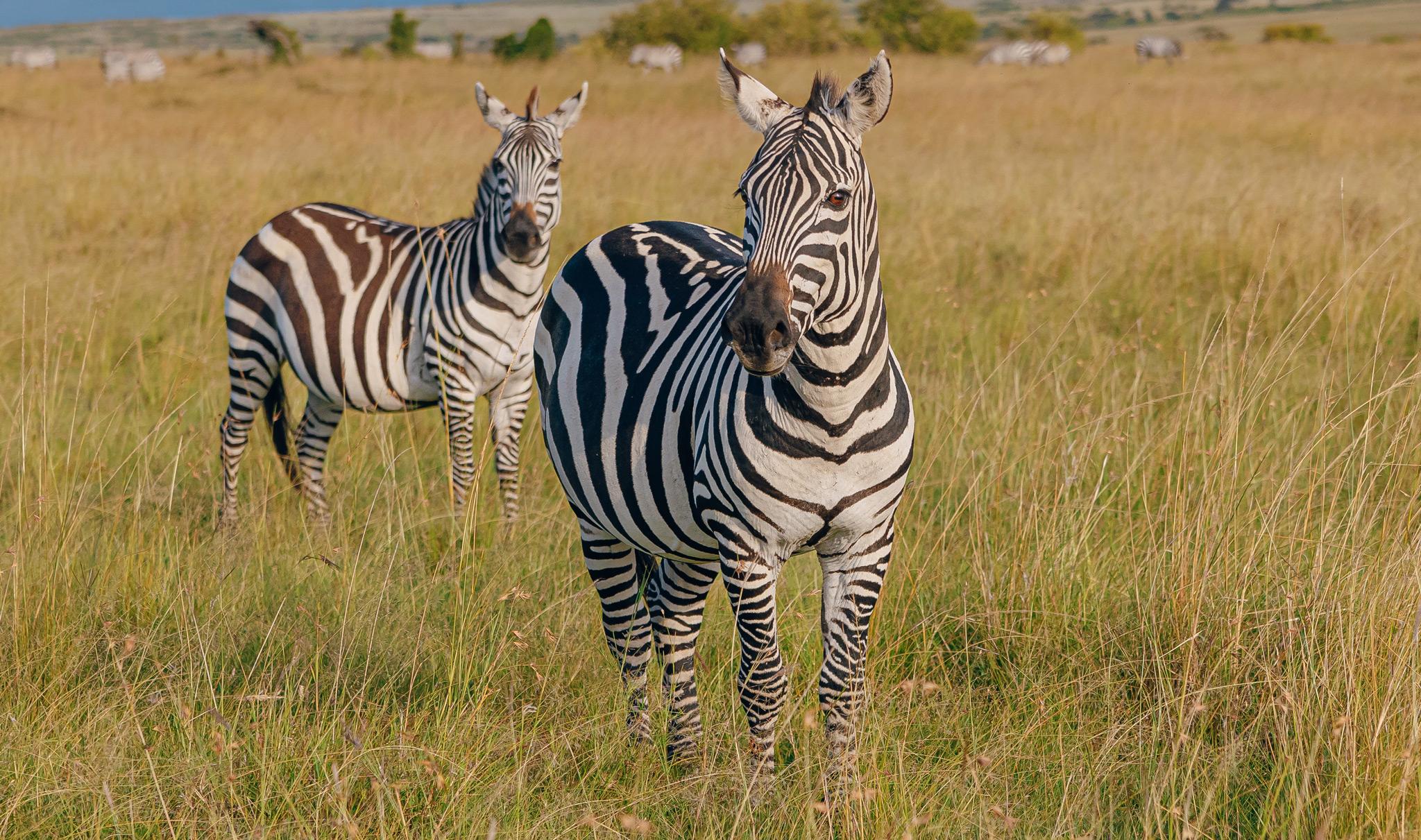
While wildebeest may dominate the migration, other herbivores play equally vital roles in the ecosystem. Zebras often move alongside the herds, grazing on coarser grass that wildebeest avoid.
Thomson’s gazelles, meanwhile, add agility and speed to the plains. Eland, the largest antelope in the region, graze in more open areas, providing a striking contrast to the moving herds. Together, these species not only create a living tapestry, but they also ensure that the savannah remains balanced and vibrant.
Observing them alongside the migrating wildebeest highlights the incredible diversity and interdependence of Mara wildlife.
Predators in the Masai Mara
Predators are drawn to the migration by the abundance of prey. Lions, cheetahs, and leopards track the herds, taking advantage of vulnerable young or isolated animals. Hyenas and jackals follow the action, often scavenging the leftovers.
Crocodiles lie in wait at the rivers, their patience rewarded when wildebeest attempt crossings. This concentration of predators provides a rare chance to witness the natural hunt in action.
It serves as a reminder of the delicate balance between predator and prey that sustains the Mara ecosystem. Responsible viewing ensures these interactions remain undisturbed and natural.
Big Five Encounters During Migration Season
While the migration focuses on the massive herds of wildebeest, the Masai Mara has much more to offer. It remains one of the best places to encounter the Big Five.
Elephants roam the savannah, buffalo graze alongside the herds, and rhinos can be spotted in protected areas. Lions and leopards are often seen hunting, while elephants are moving within ancient migration corridors.
Witnessing these iconic species during migration season adds another layer of excitement. It shows that the spectacle of the wildebeest migration is only one part of the Mara’s astonishing wildlife richness.

How to Experience the Great Migration Kenya
The Great Migration in Kenya is one of the world’s remaining natural wonders. Visitors can choose between different ways to witness this extraordinary wildlife spectacle, including classic safari drives and hot-air balloon rides.
Game Drives: Morning vs. Evening Safaris
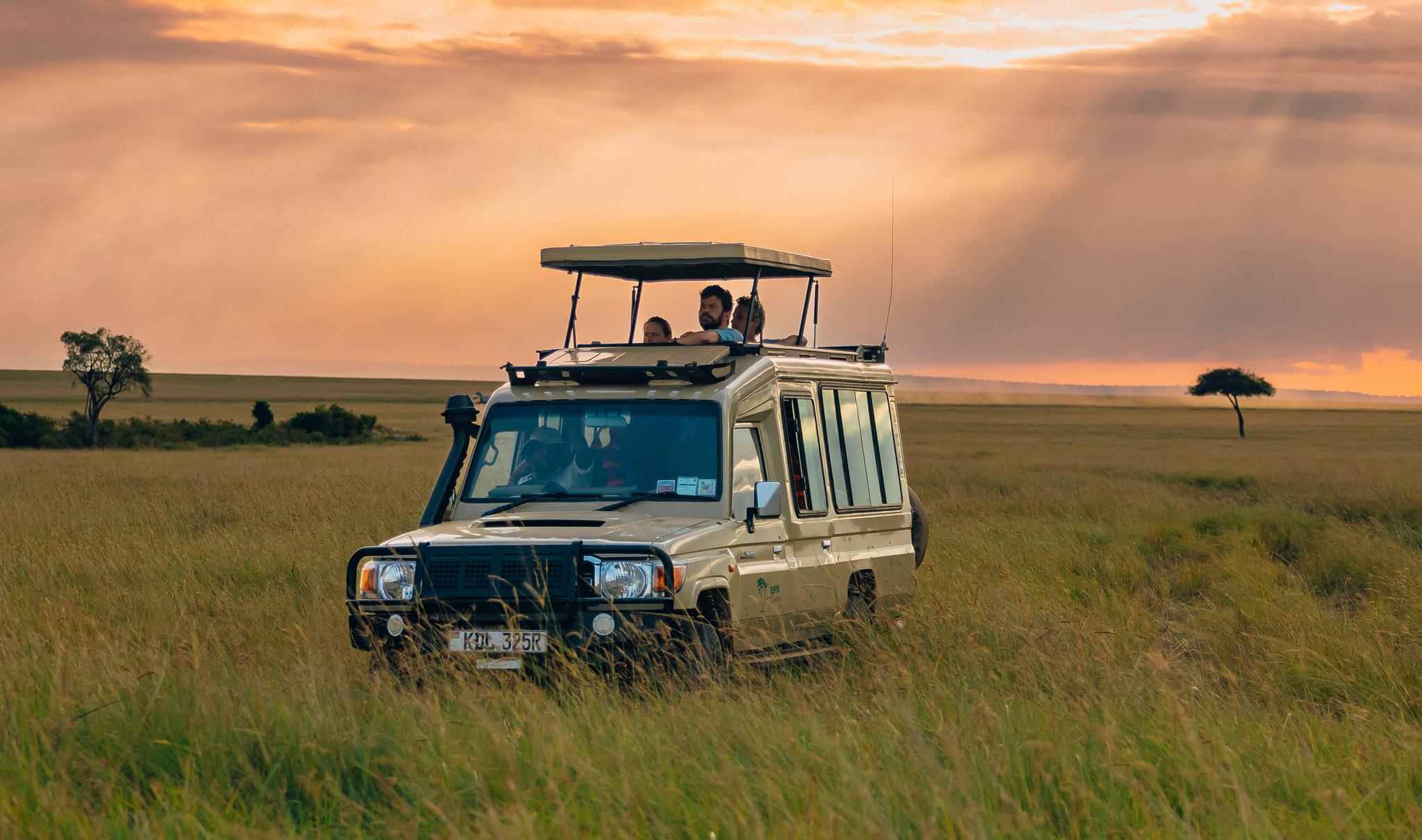
Game drives remain the classic way to experience the Great Migration in the Masai Mara. Morning safaris are ideal for seeing predators active at first light, while evening drives offer softer light for photography.
Herds may take hours to approach or navigate the rivers. Patience is essential, and full-day drives are recommended for anyone hoping to witness a river crossing. Half-day safari tours, meanwhile, are suitable if you have limited time or want a brief taste of the action.
You’ll be accompanied by professional guides throughout any of the drives. They provide invaluable insights, reading animal behaviour and terrain to maximise sightings while ensuring ethical and safe viewing. Their knowledge transforms a safari from a simple drive into an immersive experience.
In addition to the migration itself, guides help spot other wildlife along the way, from elusive leopards to grazing elephants. They also offer context on the Mara ecosystem. This helps you understand the interconnectedness of species and the delicate balance that sustains this iconic landscape.
Hot Air Balloon Safaris Over the Migration
Hot air balloon safaris offer a unique perspective on the Great Migration – and on wildlife in general. While you may not view river crossings from above, the balloon allows you to drift silently over vast herds.
With some luck, you may have the chance of spotting dramatic wildlife interactions. Flights are usually timed for early morning, offering golden light and cooler winds. Many balloon safaris include a champagne bush breakfast upon landing, adding a touch of extravagance to the experience.
From the air, the scale of the migration becomes truly apparent. This perspective reveals patterns and movements impossible to see from the ground.
It is important to note that hot air balloons cannot be steered like vehicles. The wind determines both the speed and direction of the flight. As with any nature-driven experience, how much of the migration you see during a balloon ride ultimately depends on the day’s conditions and a bit of luck.

Great Migration Masai Mara Safari Tours
When it comes to witnessing the Great Migration, the choice between private and group safaris matters. Private safaris offer greater flexibility, allowing you to linger and wait for a river crossing if that’s your goal. At Kenya-Experience, we offer the option to craft tailor-made experiences around the migration, ensuring they suit your interests and schedule.
Group safaris, on the other hand, are a sociable way to share the adventure with fellow travellers. In addition, they are often more cost-effective. Whatever you choose, our expert guides ensure you encounter the incredible wildlife of East Africa in comfort and style.
Magical Masai Mara Safari
Our Magical Masai Mara is an intimate four-day safari with expertly guided game drives through the heart of the Mara. Stay in charming camp accommodation surrounded by nature, combining comfort with adventure.
Ideal for first-time safari visitors, this experience balances thrilling wildlife encounters with relaxed moments in the bush. Small group sizes ensure personalised attention and unforgettable memories – perfect if you want a true taste of the Mara’s magic.
Savannah and Sea Safari
The 8-day Savannah and Sea itinerary combines the iconic Masai Mara with a coastal escape for an unforgettable African adventure.
The itinerary includes Lake Naivasha, Amboseli, and Tsavo West before concluding in idyllic Diani Beach. Enjoy expertly guided game drives, stunning landscapes, and diverse wildlife, before unwind on pristine white sands by the Indian Ocean.
This combination of savannah and sea provides a perfectly balanced mix: It blends the excitement of Kenya’s wildlife with the relaxing atmosphere found on the Swahili coast. It’s an all-in-one experience for nature lovers and beach enthusiasts alike – offering best value for small-group tours.

Year-Round Migration Viewing Options
The Great Migration is a year-round spectacle, and there are opportunities to follow the herds throughout their annual cycle. From calving in the southern Serengeti to the dramatic river crossings in the Masai Mara, each season offers unique experiences.
Our travel experts can help plan your safari around these movements, ensuring you witness the highlights at the right time. Whether you prefer a private adventure or a small group journey, there are options to suit every traveller.
Observing the migration at different points in the cycle allows for a deeper understanding of East Africa’s extraordinary wildlife rhythms.
Calving Season in Tanzania’s Serengeti
Running from December to March, the calving season is one of the most remarkable periods to visit the Serengeti, with our sister company in Tanzania. During these months, thousands of wildebeest give birth across the southern plains, attracting predators and thus creating thrilling wildlife encounters.
Visiting at this time offers close-up views of newborns as well as the dynamic interactions between species. With its open plains and dense herds, the southern Serengeti is particularly advantageous for spotting these events.
For a curated Serengeti experience, explore options available at Tanzania-Experience.com. Expertly crafted itineraries provide an unforgettable journey through one of Africa’s most iconic wildlife destinations.
Cross Border Safari – Kenya & Tanzania – East Africa’s Great National Parks
If you’d like to witness the migration across multiple landscapes, a cross-border safari is ideal. Over 10 days, the Kenya and Tanzania’s – African’s Great National Parks itinerary follows the the herds’ movements across borders.
From the Masai Mara’s dramatic river crossings to the Serengeti’s vast plains, the journey covers East Africa’s iconic destinations. A well-planned cross-border safari lets you experience the Great Migration in depth.
It captures both the intensity of the savannah and the serenity of remote wilderness areas. Furthermore, by travelling between parks you’ll get to see diverse habitats, rich birdlife, and spectacular scenery.

Planning Your Great Migration Masai Mara Adventure
To make the most of your experience, a Masai Mara safari during the Great Migration requires careful planning. From choosing the right season to arranging transport and accommodation, early preparation ensures you witness the migration’s highlights in comfort. Our travel experts can help tailor your adventure to your preferences and schedule.
How Far in Advance to Book
The Great Migration is a bucket-list item for many travellers, so booking well ahead is essential. This is particularly true during the peak migration months from July to October.
For this high season, it is recommended to secure your safari six to 12 months in advance. This increases your chances to guarantee availability in your preferred lodges and camps. During the shoulder seasons, from November to June, three to six months’ notice is usually sufficient.
Early booking allows flexibility in selecting private or small group safaris, ensuring your itinerary aligns with the herds’ movements. From river crossings to predator-prey interactions: Our experienced travel experts will help optimise timings and maximise your chances of witnessing iconic events in the Mara.
Getting to the Masai Mara
About 250 kilometers from Nairobi, the Masai Mara is easily accessible from Kenya’s capital city. Road transfers take approximately five to six hours, offering scenic views of the Kenyan countryside along the way.
For greater convenience, domestic flights operate multiple times daily, landing at airstrips within the reserve itself.
International visitors typically fly into Nairobi, from where both options are available. This allows you to start your safari with minimal travel time and more opportunity to enjoy the Mara’s wildlife.

Standing in the middle of it all, you feel the ground tremble faintly beneath the movement of the herds, the wind brushing through the grass as the animals pass. It is not just something you watch, it is something you hear, smell, and feel around you, an ancient rhythm of life moving across the African wilderness.
Conclusion – The Great Migration in the Masai Mara
Ethical wildlife viewing is at the heart of every safari we offer. Our guides never push boundaries and strictly follow responsible viewing guidelines to ensure the animals’ wellbeing always comes first.
A river crossing can never be guaranteed, but witnessing thousands of wildebeest gathered on the plains, set against dramatic scenery and accompanied by the thunderous chorus of the herd, is an unforgettable experience in itself.
Ethical wildlife viewing lies at the heart of every safari we offer. Our guides follow strict responsible viewing guidelines, ensuring the animals’ wellbeing always comes first.
While a river crossing can never be guaranteed, observing a wildebeest migration on the Masai Mara’s open plains is extraordinary. Their movement across sweeping vistas is accompanied by the thunderous sound of their hooves, making it a multi-sensory feast.
Get in touch or schedule a call with our trave experts today and start planning your Great Migration adventure.
Author: Christina Leitner